
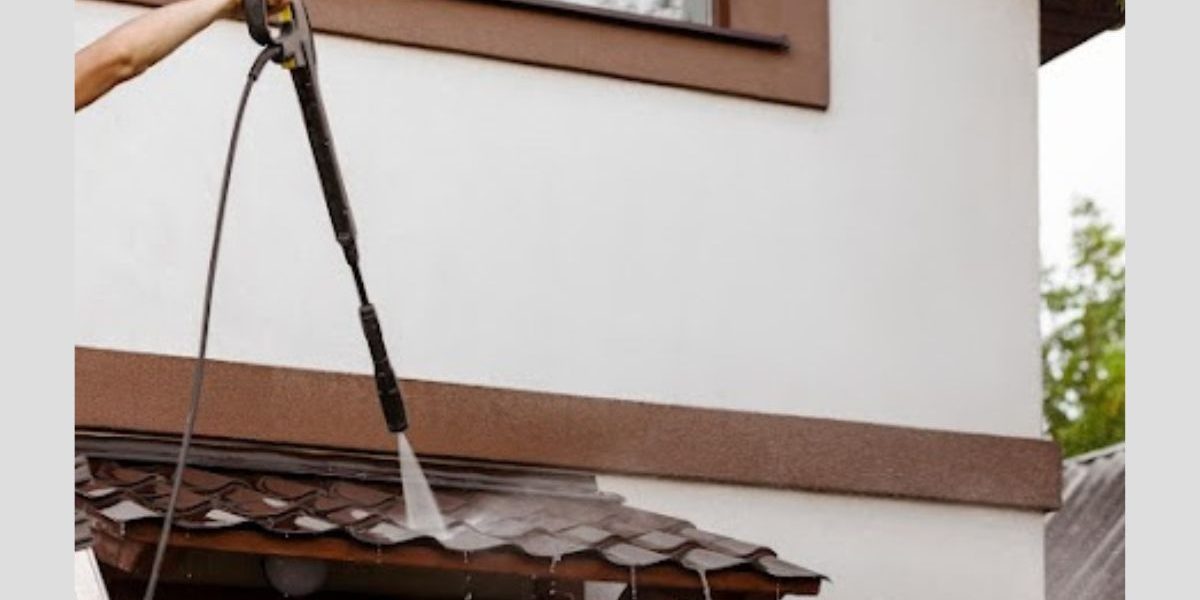
A dingy, algae-covered roof can be the Achilles’ heel of your home—slowly draining your wallet and curb appeal. I’ve seen it countless times: a once-proud roof turned gloomy from Brisbane’s humid climate. You might wonder if giving your roof a good pressure clean is worth it.
Well, it absolutely is – but only if done right. Let me walk you through everything: why roof cleaning matters, how much it costs, the do’s and don’ts, and why sometimes it’s best to leave it to the pros.
Proper roof cleaning isn’t just about looks; it’s about protecting your biggest investment. Just like you wouldn’t let mold fester in your shower, you don’t want moss and dirt eating away at your roof.
In this guide, I’ll cover the nitty-gritty of Roof Pressure Cleaning, from price tags to safety harnesses, all in plain Aussie English. Think of this as a chat over a cuppa – practical, friendly, and a bit witty. Ready? Let’s get started.
Why Keep Your Roof Clean?
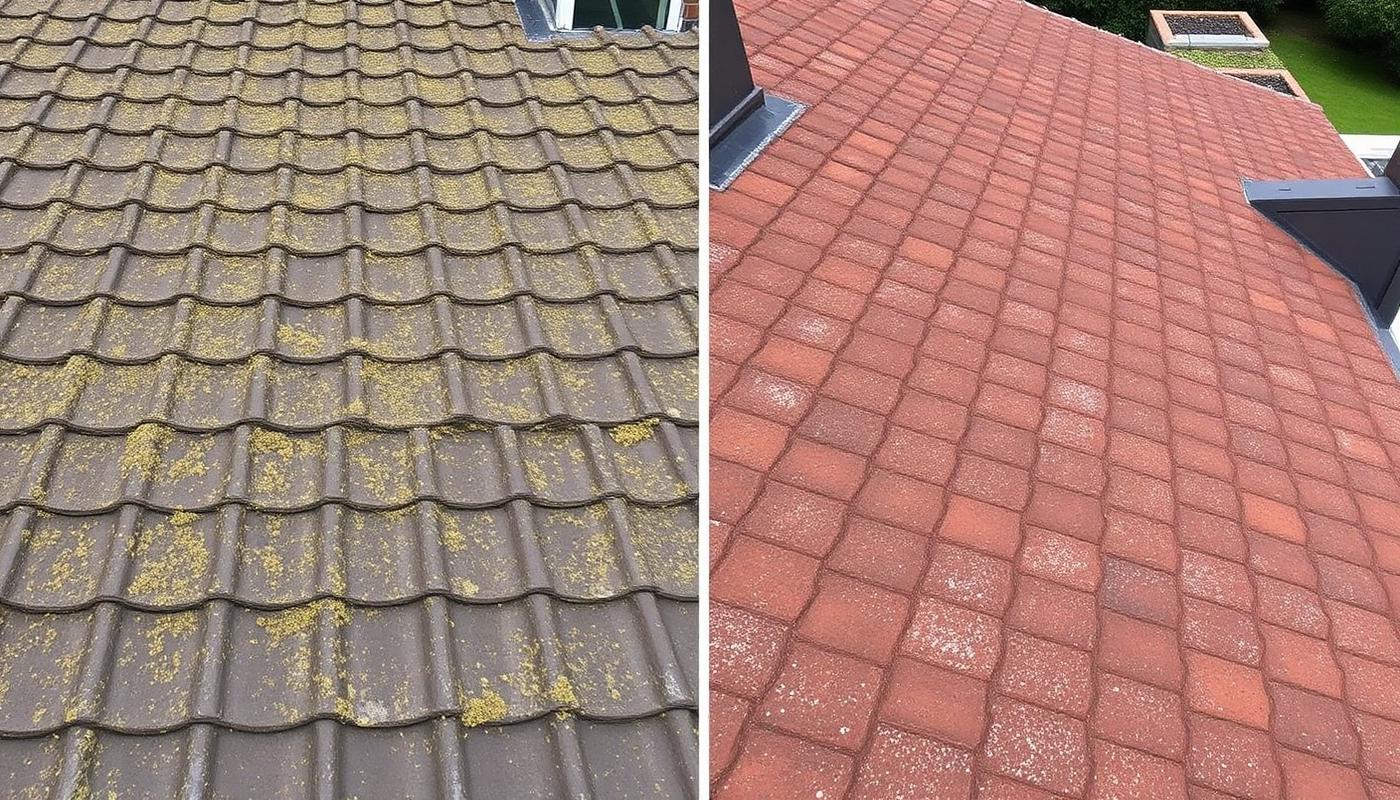
Imagine your roof is like a hat for your house. If that hat’s dirty, it looks shabby and can actually weaken over time. Brisbane’s subtropical weather (hello, humidity and rain!) is a perfect breeding ground for algae, moss and lichen on your roof. Left unchecked, these organisms trap moisture against your tiles or metal sheeting. This can lead to:
- Leaks and rot: Moisture can eventually seep under tiles or corrode metal, causing leaks.
- Cracked tiles and rust: Frozen moisture expands (yes, even here when it’s cold!), cracking tiles or rusting metal.
- Shorter roof life: All that gunk accelerates wear, so a clean roof can last 5–10 years longer than a neglected one (and that’s a lot of savings on replacement!).
- Higher energy bills: Believe it or not, a clean roof reflects heat better. A dark, dirty roof absorbs more sunlight, forcing your air-con to work overtime (a problem under our hot Queensland sun).
In short, regular cleaning pays off. It’s preventative maintenance that can save thousands by extending your roof’s lifespan and avoiding big repairs. Plus, your house will look sharp – great for street appeal if you ever decide to sell.
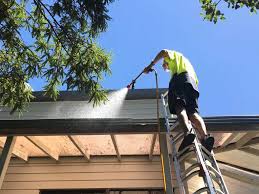
How Roof Pressure Cleaning Works
When we talk roof pressure cleaning, we’re talking about using high-pressure water to blast away moss, stains and debris. But not all roofs can handle it. Some older roofs, especially those with asbestos (fibre cement) or delicate tiles, can get damaged by sheer force. In Queensland, WorkSafe even explicitly warns that blasting an asbestos roof with high-pressure water is illegal and dangerous – fines can be hefty, up to $10,000!
These days, most pros use a two-step approach:
- Soft Wash Pre-soak: A gentle chemical solution (often eco-friendly cleaners) is sprayed on first. This kills moss and algae at the root and lifts stains without blasting anything off.
- Controlled Pressure Rinse: After letting the solution work (10–20 minutes), the roof is rinsed with a pressure washer set to a safe level. Good contractors know exactly how much PSI (pressure) any given roof material can handle, and they’ll often use special angled wands to reach all areas safely.
By contrast, spraying full blast from up close is risky: you can crack tiles, punch holes in membranes, or strip away any protective sealants. That’s why even though you could rent a pressure washer and DIY, it pays to be cautious. If in doubt, chat to qualified roof cleaning specialists who know the ropes (and the regulations).
The Benefits of a Clean Roof
Okay, aside from bragging rights, why else should you care? Here are some bonus perks:
- Longer Roof Lifespan: Regular cleaning can add 5–7 years to your roof’s life. It prevents rot and rust, meaning you can postpone an expensive replacement (if you even need one at all).
- Prevent Costly Repairs: During a clean, you often spot small issues – broken tiles or rust spots – before they turn into major leaks. Fixing a few tiles is a pittance compared to tearing off the whole roof.
- Better Curb Appeal: If your roof looks brand new, your whole house looks fresher. That’s great if you plan to sell (or just impress the neighbors).
- Energy Savings: A clean roof reflects more sunlight. A 2025 study found that a bright roof could cut cooling costs by up to 10-20% in summer – that’s one way a hose-down pays for itself.
- Healthy Home: Mold and moss can contribute to indoor moisture problems. Getting rid of them helps keep your home dry and clean.
All these add up. In a humid city like Brisbane, you’ll probably want to clean every 2–3 years. Think of it like servicing your car or cleaning your gutters: a bit of upkeep now saves a fortune later.
Roof Pressure Cleaning Costs in Brisbane
Alright, let’s talk numbers, but keep in mind these are ballpark figures. Every roof is different, so your quote might vary. Still, this should give you an idea:
| Roof Type/Condition | Approximate Cost (AUD) |
|---|---|
| Small single-storey house, metal roof | $300 – $500 (soft wash) |
| Small single-storey house, tiled roof | $400 – $600 (soft wash) |
| Average double-storey home or steep roof | +$100 – $200 surcharge |
| Terracotta tile roof (larger) | $700 – $900 (pressure + cleaning) |
| Add gutter cleaning (optional) | +$150 – $300 |
- Why the range? Roof size, slope, and how dirty it is all influence the price. A high-set home or one with lots of nooks (skylights, roof vents) will cost more because it takes longer.
- Terracotta vs. Metal: Terracotta (red clay) tiles are trickier to clean – they need gentler handling – so expect to pay a bit extra. Metal and concrete tiles usually come in slightly cheaper.
- Extras: If your roof is very steep, cleaners might need a cherry-picker or rope harness gear, which adds about $400–$500. If you bundle gutter cleaning or minor repairs (fixing tiles), you’ll save vs doing them separately.
On average in Queensland, professional roof cleaning is often quoted around $50–$90 per square meter for a thorough job. For a typical suburban home, that usually adds up to $600–$1,200 for a full service (depending on size). As a rule of thumb, plan for at least a few hundred dollars for a small house and be prepared it could double if your roof’s big or really grimy.
In contrast, doing it yourself might only cost a few dollars for a cleaning product and an hour of your time – but remember the risks. For example, if you don’t know your roof has asbestos and you blast it, Queensland law will slap you with fines and cleanup costs.
Roof Cleaning Methods: Soft Wash vs. Pressure Wash
You’ve probably heard the term “pressure cleaning” and might picture a forceful spray. Well, pros use a mix. Let me break it down:
- Soft Washing: This uses low-pressure hoses or spray wands combined with a cleaning solution (often biodegradable). It’s gentle on tiles and great for delicate roofs (like slate or old terracotta). The chemicals kill algae and mold, which then get rinsed away. Soft wash typically costs slightly less and is ideal when full pressure could be risky.
- Pressure Washing: This is what we’ve been calling roof pressure cleaning. It uses higher PSI to scrub off stubborn grime. Think of it like blasting your driveway. Good for sturdy roofs (some metals, concrete tiles). It’s fast and effective, but it must be done by someone who knows how to dial down the pressure to avoid damage.
A lot of modern roof clean-ups use a combination. First a soft wash soak, then a controlled pressure rinse. That’s what you’ll get with most reputable services.
Safety Tips for Roof Pressure Cleaning
Hold your horses – this is not a DIY job unless you’re absolutely confident. Let me say it: Roof work is high-risk. Falls are the number-one danger, followed by mishaps with electricity and damage from misuse of the equipment. So here are some rules:
- Turn Off Power: Before even thinking of climbing up, switch off the main power at your breaker. Why? Because hidden wiring and solar panel leads could electrocute you. As Worksafe QLD advises, make the main switch your first stop.
- Use Proper Access: Use a stable ladder or, better yet, scaffolding. A single misstep on a wet, sloped roof and you could be injured. Secure your ladder or let a pro handle it.
- Wear Safety Gear: At minimum, wear non-slip shoes, a harness, and eye protection. A sneeze of dirt or splash of cleaner can easily cause an accident. If you’re unsure about harnessing or walking a certain roof pitch, step down – literally.
- Check the Material: As mentioned, if your roof is fibro (asbestos) or very old, stop. Don’t spray. Call a licensed asbestos remover instead. Worksafe explicitly states that high-pressure cleaning of asbestos roofs is prohibited because it releases deadly fibers. Even on a regular roof, be gentle around ridge caps, vents and gutter edges – these bits are fragile.
- Weather Watch: Pick a calm day. Don’t clean if it’s windy, rainy or scorching hot. Wet tiles are slippery; wind can make the spray erratic; and extreme heat can vaporize cleaners unpredictably.
- Know Your Limits: If the job needs extra gear (like a cherry-picker or fall-arrest system), get it. Sometimes hiring a professional may end up cheaper than racing to ER or replacing broken tiles.
I’ve seen people charge up in board shorts and come down with a sheet of headaches (or worse). So while it’s not rocket science, respect your roof as seriously as you would a precarious tree or a grand staircase – because one slip or one wrong pressure setting can be disastrous.
DIY vs Hiring Roof Cleaning Specialists
By now you might be thinking: “Maybe I should call in the cavalry.” There’s no shame in it. Roof cleaning specialists are worth their weight in moss-free gold. Here’s why you might lean that way:
- Experience and Gear: I’ve had mates who tried DIY only to end up with leaks. Professionals have adjustable-pressure machines and long wands to keep them on solid ground (or on well-tethered scaffolds).
- Time and Convenience: It can take all day to do it right, and that’s a whole weekend lost. A service might blitz it in a few hours (plus you avoid sore arms).
- Safety Compliance: The very real risks we talked about – falling, electrocution, spreading asbestos – they train for this. You don’t want to learn that the hard (or hazardous) way.
- Warranty and Insurance: Many pros offer a job guarantee and have insurance. If they break something, they fix it. If you DIY and crack a tile, it’s your wallet paying for repairs.
On the flip side, a DIY kit or pressure washer rental is cheaper upfront. If you’re mechanically inclined and your roof’s low-pitch, you can take a carefully dosed crack at it. Just remember: research your roof material, read all instructions, and maybe practice on the driveway first.
In Brisbane, I often suggest getting at least a couple of quotes. And when you Google local services, look out for customer reviews and certifications. A quality team won’t just give you a fast price; they’ll ask about your roof type, age, and current issues.
If it feels too big or scary, hire it out. Your back (and roof) will thank you.
Conclusion
Roof pressure cleaning might sound like a headache, but it’s really an opportunity. A chance to give your home a fresh lease on life. By spending a few hundred dollars now (or a weekend on a ladder), you can dodge much bigger bills down the line. A clean roof is a happy roof and a happier homeowner.
I encourage you to chat with a pro (search local roof cleaners in Brisbane) or at least do more homework if you plan to DIY. When in doubt, consult the experts. And if you found these tips handy, share this guide with your mates or drop a comment. Did this give you the push to finally clean that attic or hire someone to do it? Let me know!
Now, what’s your next step? If your roof’s looking a bit sad, maybe contact a roof cleaning specialist for a quote. It could be the most budget-friendly fix you make this year. Go on, give your roof the TLC it deserves – it’s kept you dry this long, the least we can do is return the favor.
Frequently Asked Questions
Q: How often should I schedule roof pressure cleaning?
Most experts say every 2–3 years for Brisbane’s climate. If your roof’s shaded or near trees, you might lean toward 2 years. Otherwise, keep an eye on growth: if green or black streaks start showing, it’s time for a clean.
Q: Can pressure washing damage my roof?
Yes, if done incorrectly. High pressure can crack tiles or strip paint if misused. That’s why pros often recommend a soft wash first and use gentle pressure afterward. The key is using the right technique for your roof material.
Q: Is roof pressure cleaning safe for all roofs?
No. It’s great for sturdy roofs (Colorbond steel, concrete tiles), but not for old terracotta or asbestos. If your roof is fibrous or very old, skip pressure washing. Always check with a specialist or perform a test patch.
Q: How much does professional roof cleaning cost in Brisbane?
It varies with size and roof type, but typically $600–$1200 for an average home. Terracotta tends to be on the higher end. You’ll often get a per-square-metre quote (around $50–$90/m²). Always get a few quotes to compare inclusions.