
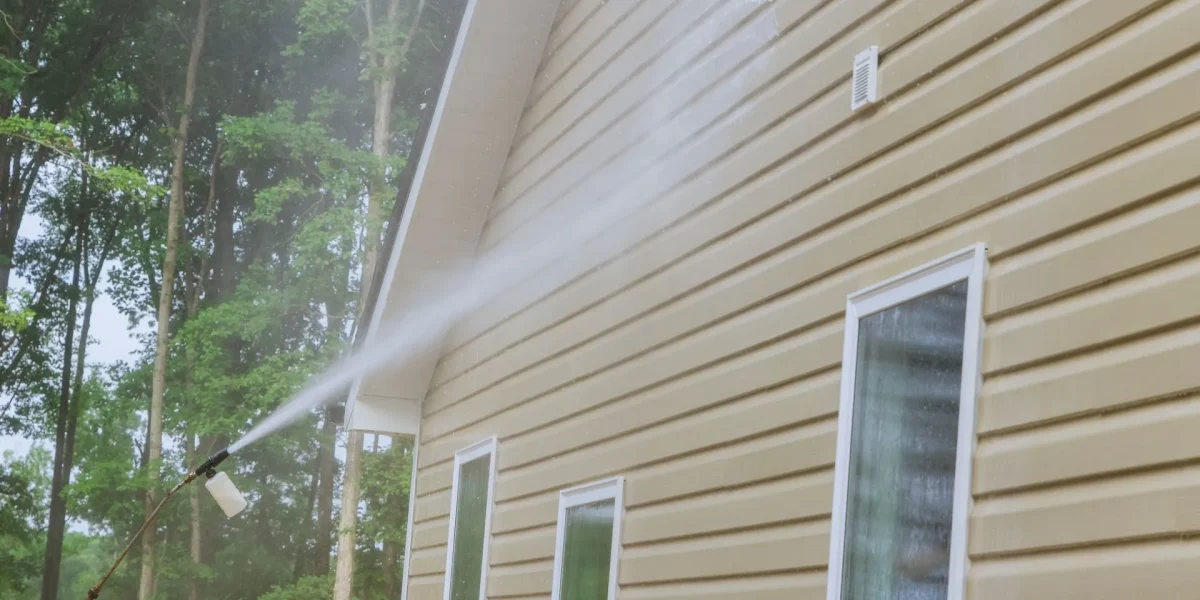
Living in Brisbane’s humid subtropical climate, I’ve learned the hard way that houses can go from sparkling to streaked in no time. Between afternoon storms and heat, mould, algae and grime practically joyride across pale walls if you let them. That’s why house washing has become an essential part of keeping a Brisbane home looking its best.
You might love that Queensland sunshine, but even it can’t stop green slime and black streaks from popping up on your siding. I bet you’ve seen it – one morning your cream weatherboards look great, the next they’re sporting a mossy green jacket. That’s one sign your home’s crying out for a professional house wash.
1. Green or Black Stains on Walls and Roof
The easiest sign is the most obvious: scary green or black streaks creeping up your walls, roof or eaves. These are usually algae, mildew or mould taking advantage of Brisbane’s moisture.
Think of it like this: if your house siding were white sneakers, grime and mould are the mud and grass stains that need scrubbing off. (Remember how pale walls looked fresh when painted last year? Those nasty streaks are stealing the show now.) Left unchecked, that organic growth will eat away at paint and timber.
You’ll spot it in shady spots first – under gutters, on the southern side, or where trees dunk things in dripping water. If those streaks are spreading by the week, it’s time to grab a garden hose or call the pros.
The fix is to blast or softly wash away the algae. Soft washing (low-pressure with special cleaners) kills mould at its root without damaging render or paint. In Brisbane’s heat, I’ve seen black mould win the battle if we ignore it – those spots aren’t just ugly, they’re alive and hungry.
2. Chalky, Faded or Peeling Paint
Another telltale sign is when your paint feels powdery or starts flaking. If you rub a finger across the wall and it leaves white dust, that “chalking” means the paint binder is breaking down. Your once-fresh colour has dulled. Not only does this chalk make walls look cloudy, it means paint is starting to degrade. It’s a red flag: a wash is needed before repainting (or any painting at all).
You’ll often see this around window frames or on old fibrous timber. Rust-coloured streaks from gutters or metal fixtures also fall here – those stains need a good pressure wash to lift them out. Addressing this now can save a new paint job later on. In short, if the finish on your house is fading or easy to wipe off, that’s a sign to clean and protect it.
3. Slippery Driveways, Patios and Paths
Take a look underfoot: is your driveway or patio looking darker than it used to, and even slippery when it’s wet? Dark grey or green patches on concrete, pavers or timber decks are usually algae or moss. Besides being an eyesore, it’s a safety hazard.
Algae acts like Teflon on your tiles – a slip danger, especially for kids or visitors. Pressure washing can fix this in a flash. Algae-covered walkways are a safety hazard – getting them cleaned restores traction.
In fact, Brisbane experts often tackle driveways before the wet season to prevent slips. If you’ve stubbed a toe or nearly slid on your own driveway, the writing’s on the wall (or on the concrete): time for a thorough wash.
4. Clogged Gutters and Downpipes (Runoff Issues)
Warning bells ring when your gutters or downpipes are jammed with leaves, mulch and grime. Overflowing gutters mean water (and all the nasties you’ve washed off walls) will spill over, possibly into your yard or the street. In Brisbane’s regulations, that’s a big no-no – the Queensland EPA explicitly forbids dumping paint, chemicals or debris into stormwater drains.
So if your cleaning chores are dumping sudsy water out the gutters, that’s more than sloppy; it can be illegal. (Seriously, contractors can even get fined for it.) As you plan your house wash, remember to catch and divert runoff – a sign of professionalism.
If you see yucky muck blocking drains or downpipes, give yourself or your hired specialists a reminder: clean those out before you even start washing the walls. It avoids damage and keeps you on the right side of the law.
5. Musty Odours and Allergy Triggers
Sometimes you don’t see the grime, but you definitely smell it. If your outdoor area carries a damp, earthy or musty scent – especially after rain – mould is likely lurking just out of sight. That smell isn’t just unpleasant; it hints at mould working under the paint. It can also kick off sniffles or worse for anyone prone to allergies.
I recall stepping onto a damp balcony and immediately needing a tissue – the black mould had spread under the siding. If your neighbours mention red eyes or you catch yourself coughing near the porch, you’ve got a not-so-subtle sign to clean up. Blasting the exterior with a soft wash kills those spores, so your house not only looks fresh but smells fresh too.
6. Pollen, Dirt and Debris Buildup
Brisbane’s broadleaf trees and pollen season can plaster your walls with yellow-green dust. Do you find leaves stuck to siding, or brown streaks under windows (from drip backs)? Check porch ceilings and eaves too – cockies (cockroaches) love hidden spots, and so do spiders, meaning cobwebs galore.
If seasonal pollen or tree droppings are caking your surfaces, pressure washing is a great rinse. It’s easy to overlook until rain washes streaks down your walls. When the family jokes “your house looks like the rainforest floor,” that’s a hint. Clearing this film of organic gunk is smart: it prevents it from turning into hard-to-remove mould later.
7. It’s Been a While (12+ Months)
Finally, one of the simplest signals: if you honestly can’t remember the last time your house got a proper wash, it probably needs one. As Brisbane cleaning professionals note, even healthy homes benefit from an exterior wash about every year or two. Time adds up quickly between thunderstorms, BBQ smoke and kids’ chalk.
Even if you don’t see glaring stains, a yearly wash prevents buildup. Think of it like car maintenance or spring cleaning – regular upkeep saves big headaches later. When I’ve skipped too many seasons, I always regret it: turning back the clock with a good wash is way easier than scraping entrenched grime off in five years’ time.
Conclusion
Between the Brisbane heat and humidity, dirt and green growth on your home is more than just an eyesore – it can harm your paint, pose safety risks, and even violate local environmental rules. If any of the above signs ring a bell – green slime on walls, a slippery driveway, a soggy smell after rain, or simply a year gone by – don’t wait.
A professional Exterior House Washing specialists team has the right gear and techniques to remove that mess safely. They’ll treat the whole exterior (walls, eaves, fences, driveways) and rinse away built-up grime without harming your paint or garden. In the meantime, you’ve got the knowledge to spot problems early. Get your house looking crisp and protected again – and hey, your neighbours will thank you for it!
Ready for a spotless home? If your walls are whispering (or shouting) for a wash, go ahead and contact a reputable house washing pro today. Your Brisbane home will look better, last longer and even smell fresher once the job’s done.
FAQs
How often should I have my Brisbane home professionally washed?
Given our subtropical climate, most locals find a wash every 12–18 months keeps things in check. Homes in shady, coastal or leafy suburbs might need cleaning more often to stay on top of mould and pollen. Think of it as seasonal maintenance – after the wet season or just before selling or painting, for example.
What’s the difference between pressure washing and soft washing?
Pressure washing uses strong water jets (great for concrete and patios), whereas soft washing is low-pressure with cleaning agents (best for delicate surfaces). Soft wash is usually recommended for weatherboards, painted brick or tiles because it kills mould and lifts dirt without peeling paint. Pros often do both: soft wash the house itself and pressure-clean the hardscape.
Can I wash my house myself, or should I hire a pro?
You can DIY smaller jobs (driving out to buy a rental power washer or using a garden hose with a spray nozzle). But for a full exterior wash, professionals have the right equipment (tall-reach wands, specialised detergents) and training. They’ll also handle safety (ladders, high-pressure around windows) and ensure runoff is managed legally. If you value your time and home’s finish, calling in the experts is often worth it for a fast, hassle-free result.
Will house washing chemicals harm my plants or paint?
When done correctly, no – pros use biodegradable, “house-safe” detergents formulated for exterior use. Plants are usually pre-wet and rinsed after to protect them. And soft-wash methods keep pressure low to avoid peeling or etching surfaces. Still, it’s wise to clear anything fragile from the immediate area before washing. If you’re concerned, ask your contractor about the cleaning solutions they use – good ones won’t harm your garden or coatings.