
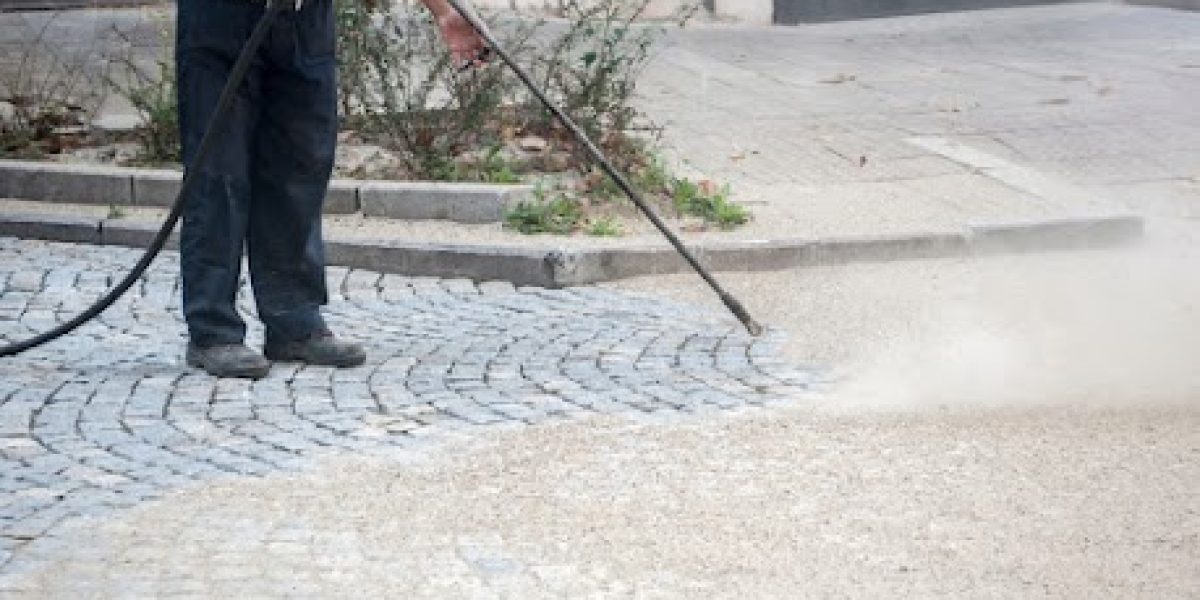
Cleaning your concrete is like giving your home a fresh haircut – it instantly boosts curb appeal and makes your place feel cared for. In Brisbane’s hot, humid climate, concrete driveways and patios quickly collect grime, green algae and oil stains, so staying on top of it is crucial.
I know, concrete cleaning doesn’t sound thrilling, but trust me this straightforward 10-step checklist will turn your dingy driveway into a bright, safe surface. Let’s dive in and tackle those stains!
1. Inspect & Prep
Before you even get the hose out, give your concrete a quick once-over. Check for major cracks, loose pieces or crumbling edges – water and cleaners will seep into damage and make it worse. Imagine you’re a detective: scan for oil spots, rust splotches, mold patches or peeling sealer.
If you spot anything serious (big cracks or flaking concrete), you may need to repair or use a gentle method to avoid making it worse. Also peek at drainage – you don’t want run-off flooding your patio or boring into foundations. By inspecting first, you avoid surprises and choose the right cleaning approach for your surface.
2. Get the Right Gear
Safety first, mate. Concrete cleaning can be tough on your back and skin. I always pull on a pair of gloves, sturdy slip-on shoes (no barefeet on harsh cleaners, please!) and eye protection, especially if I’m pressure-washing. Also have a sun hat or cap if you’re out on a bright day.
Gather your tools: a stiff broom or push broom for sweeping, buckets, a garden hose, a sprayer bottle, plus any scrub brushes or surface-cleaning attachment if you have one. If you plan on serious pressure washing, consider a surface cleaner (that yellow disc-looking gizmo) which gives an even finish.
Cover any nearby plants or delicate surfaces with plastic sheets or boards, and move outdoor furniture, pots, and rugs off the concrete. This way you won’t soak your garden beds or leave footprints on freshly cleaned ground.
Give your concrete a blast of water after prepping – you’ll be amazed how much grime washes away.
3. Clear the Surface
Grab that broom and sweep thoroughly – dry sweeping is key. Leaves, dirt and grit are the enemy here. Those bits act like sandpaper when you add water or a washer, scratching the surface and making it muddy. Also don’t forget the edges and cracks where debris loves to hide.
Remove everything that can be moved: planters, hoses, toys, cars, you name it. If an area has old stains, try to lift as much as you can by hand first (scrape off thick mud or sticky sap). Clearing first means your cleaning products can work directly on the concrete, not on a layer of muck.
4. Pre-treat Stains
Not all stains are created equal. Got an oil or grease patch? Sprinkling cat litter or sawdust on fresh spills can soak up oil (leave it overnight, then sweep off). For existing oil stains, I mix a strong degreaser or even dish soap with a little warm water and scrub with a stiff brush before anything else.
Rusty stains from rain or tools can often be tackled with white vinegar or a commercial rust remover – just follow the instructions on the bottle. And those green-black patches of mould or mildew (so common here after the wet season)? A quick spray of chlorine bleach (yes, pool chlorine straight or diluted with water) can zap moss and algae.
Let it sit for 15-20 minutes, then give it a scrub or wash off. Always rinse well after a chemical pre-treat. The idea is: work on those tough spots now so they don’t stick around when you wash everything.
5. Choose Your Cleaner (the gentle approach first!)
In my experience, the mildest solution that does the job is the best choice. Grab a bucket and mix warm water with a few squirts of dishwashing liquid or a pH-neutral concrete cleaner from the hardware store. For everyday dirt and light stains, this might be enough.
Go gentle on sealed, coloured or older concrete – harsh acids or bleach can etch or fade surfaces. However, if grime is stubborn, you have options: oxygen bleach (sodium percarbonate) is eco-friendlier than chlorine and still cuts through organic stains, while a proprietary concrete cleaner can tackle road film and tire marks.
I usually test any new product in a hidden corner first to make sure it won’t bleach out the colour or damage the finish. And remember those professional driveway and concrete pressure cleaning in Brisbane specialists – they use high-powered cleaners safely, but we’ll get to pros later!
6. Pressure-Washing 101
If you have a pressure washer (we Aussies sometimes call it a “Gerni”), this is your moment. I love a Gerni for tough outdoor jobs: it’s absurdly satisfying to see years of muck vanish in seconds. Keep it safe though: use a wide fan nozzle (around 40° for normal cleaning; a 25° is okay on durable concrete). Start on a lower pressure setting and hold the nozzle about 20–30 cm above the slab.
Always move the spray in even, overlapping strokes; don’t linger in one spot or you’ll etch the concrete. Work from the highest end downwards so dirty water runs off to the lower side, not pooling on a clean bit. If you don’t own a power washer, a stiff-bristled push broom and elbow grease can still do wonders – it just takes longer.
A surface cleaner or “turbo head” (the yellow disk above) attaches to your washer for even results on flat slabs. It glides over the concrete, cleaning faster than a single spray wand.
7. Protect Plants and Catch Runoff
This one’s crucial in Queensland. Your cleaning water is now full of dirt, oils and maybe cleaning chemicals. Local rules actually treat pressure-wash runoff as a pollutant, so divert it away from stormwater drains and gardens. For more practical advice on protecting local waterways, check the Queensland Government’s water pollution guidance
Do not let soapy runoff pour straight into the street. Sandbag any drains or dig a small trench and channel the water onto a lawn or garden bed – plants can handle soapy water better than fish can.
Another trick: disconnect any nearby downpipe and temporarily divert it into a rainwater tank or drums. When I cleaned my own driveway, I even drilled a tiny hole in the gutter and attached a hose to reroute all water into the garden for reuse (just pop a rubber plug back in when you’re done).Basically, make sure all that chemical-laden water stays where it can soak in harmlessly – this helps the reef too!
8. Rinse Thoroughly and Inspect
Once cleaning is done, rinse the concrete with clean water to wash away suds and loosened grime. If pressure-washing, simply rinse again; if scrubbing, give everything a final hose-down.
Be mindful of any remaining soap bubbles or streaks – you might need a second rinse in spots. Then let the surface dry (in Brisbane’s climate, a concrete slab dries fast!). Once it’s dry, walk it over and look for anything you missed: maybe a tire mark or algae spot that’s still clinging on.
It’s amazing how different the surface looks when crisp and clean; any leftovers will really pop now. Spot-clean again if needed and rinse. The aim is a clean, streak-free finish, with no slippery residue left behind.
9. Seal and Protect (Optional but Powerful)
Think of sealing as sunscreen for your concrete – it’s not strictly necessary for cleaning, but it makes future maintenance heaps easier. After your slab is bone dry, you can apply a concrete sealer (water-based or silane/siloxane sealers are popular) to repel stains and water.
This is especially handy in Brisbane’s intense sun and wet season: a sealed surface resists oil, mould and dirt better. If your slab was sealed before, use a sealer that’s compatible with the old one. Most sealers say “Apply with a roller or sprayer, cover evenly, then allow 24-48 hours to dry.”
Once sealed, your driveway will look glossier and stand up to spills for a longer period. If you hate the idea of sealing, at least keep up with regular cleaning – the sealing just makes the next clean-up even simpler.
10. Know When to Call in the Pros
Finally, recognise your limits. Some concrete jobs are too big or stubborn to handle solo. Deep-set oil stains (think garage fluids), old efflorescence (white powder), or massive mould blooms might need heavy-duty treatment or a heated cleaner that only professionals use.
If your driveway is huge or multiple years of neglect have built up, it could be worth booking a session with professional driveway and concrete pressure cleaning in Brisbane.
They have industrial-grade equipment and can recycle water and use eco-friendly methods efficiently. No shame in it – even I’ve called in pros on tough jobs. A pro clean can revive concrete in one weekend that would take me days with DIY methods.
Conclusion
Keeping your concrete surfaces clean is surprisingly simple if you follow a plan. Start with a careful inspection, suit up with the right gear, and choose your cleaners wisely. Tackle stains head-on, blast away dirt with pressure or elbow grease, rinse everything well, and consider sealing for future ease.
With this checklist, your Brisbane home’s driveway, paths and patio will look top-notch – not to mention safer underfoot. Now grab that broom (or Gerni!) and give your concrete the glow-up it deserves. Got a cleaning tale or tip of your own? Drop a comment and share the wisdom!
FAQs
How often should I clean my concrete surfaces?
In Brisbane, I recommend cleaning concrete at least once a year, ideally after the wet season. If algae, mould, or oil stains appear sooner, give it a quick clean every few months. High-traffic areas like garages often benefit from cleaning every six months.
Can I use household bleach or vinegar safely?
Yes, but use both with care. Diluted bleach works well on mould and mildew, while white vinegar helps remove light rust stains. Always test a small area first, protect nearby plants, and rinse the surface thoroughly.
What’s the best way to remove oil stains?
Blot fresh spills with kitty litter or absorbent material before scrubbing with a degreaser or dish soap. Let the cleaner sit for a few minutes, then scrub and rinse well. For stubborn stains, use a commercial concrete oil remover or a pressure washer.
Is pressure washing safe for all concrete areas?
Pressure washing is safe for most concrete surfaces when you use the correct pressure and nozzle. Test a small area first on decorative, painted, or older concrete to avoid damage. If you’re unsure, it’s best to hire a professional.