
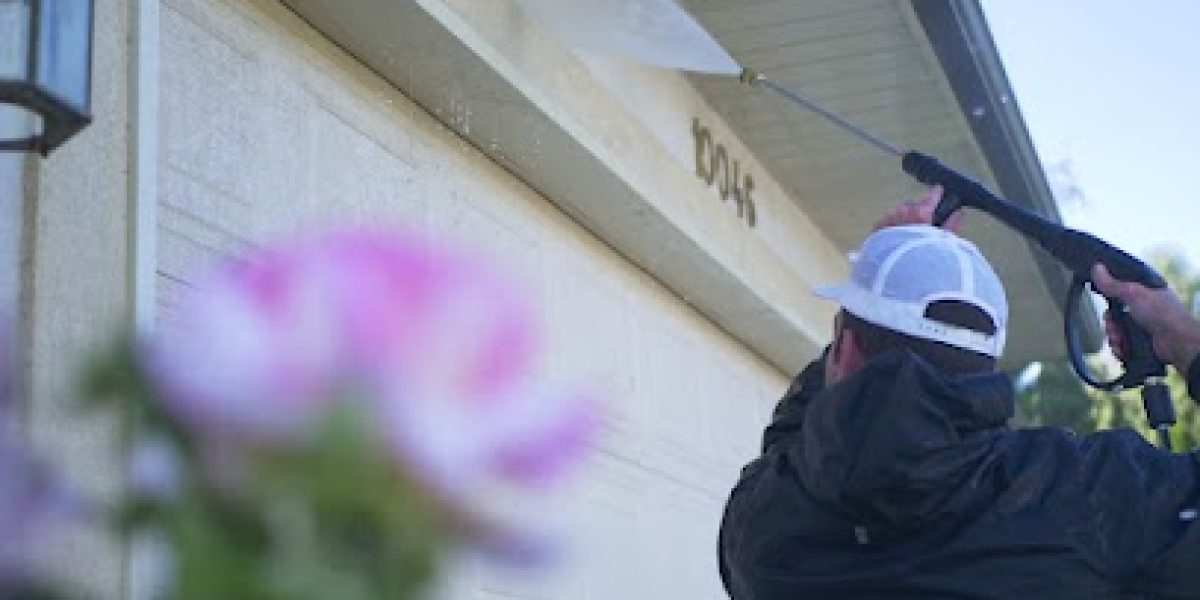
Ever noticed how a little rain just isn’t doing your building any favours? In Brisbane’s humid subtropical climate, salt-laced sea breezes, highway soot and sticky humidity love to cling to walls and windows.
I’ve seen body corporate managers think rain cleaning would “sort it out,” only to end up staring at peeling paint, spongy render and mossy stains years later. In other words, a clean façade isn’t just for show – it’s your first line of defence against decay.
With Brisbane’s relentless UV rays and sporadic storms, even a brand-new paint job can start to fail if left unwashed. High humidity fuels mould and mildew, salty air eats at window seals and steel, and dust and pollen cake onto every surface. Regular building washdowns sweep away these hidden threats.
After all, cleaning the outside of your building is like giving it a health check: get rid of contaminants before they eat away at your investment. Calling in the Quality Building Wash experts ensures the job’s done right. These pros match water pressure and eco-friendly chemicals to each surface – from glass and metal to rendered walls – keeping your building looking sharp without damage.
Why Neglecting Building Washdowns Hurts
Skipping those washdowns may seem like saving money, but it’s a false economy. In reality, neglected exteriors snowball into huge repair bills. Think of it like ignoring an oil change on a Ferrari – not worth the risk. When dirt, salt and grime sit on paint or sealant, they start to chemically break it down.
Over time this leads to paint failure, peeling, flaking and cracks. Worse, once that moisture gets behind your facade, you’ll end up with water ingress and damp patches inside – the nightmare nobody wants at 8am Monday.
Consider what happened to a Brisbane apartment block that skipped its façade cleaning for seven years. They figured rain would do the job, but it only wore the paint thin. By the time they finally looked, the render and waterproofing were shot – racking up about $50,000 in repairs.
Just three annual washdowns over that span would have been roughly $35,000, and prevented all that damage. In short, they saved nothing and ended up $15k in the hole. These cases aren’t rare. Industry estimates say every $1 spent on preventative maintenance saves $4–$5 in future fixes.
Let’s bullet-point the fallout of slacking on washdowns:
- Costly Repairs: Cracked concrete, rotten timber or corroded steel need expensive remedies like concrete spalling repair or replacement of sealants.
- Void Warranties: Most paint and coating warranties demand routine cleaning. Skip it, and those premiums suddenly don’t cover a cent of the damage.
- Concrete “Cancer”: Salt and moisture induce rust in rebar, causing concrete to spall and crumble – a structural headache.
- Aesthetic Decline: Dirty panels, rusty streaks and mouldy patches scream neglect. The building’s curb appeal plummets, which can drive away tenants or buyers before they even set foot inside.
- Repainting Costs: What could’ve lasted a decade might need repainting in 3–5 years because the old coating failed prematurely.
- Safety Hazards: Wet algae on stairs or sidewalks is a slip risk. Loose debris from eroded render can actually fall off and injure someone.
In the long run, skimping on washdowns can triple, even quadruple your maintenance spending. The true cost is hidden, but it’s real.
| Regular Maintenance (7 years) | Neglect (7 years) | |
|---|---|---|
| Routine Washdowns | ~$35,000 | ~$0 |
| Render Repairs | $0 | ~$25,000 |
| Waterproofing Repairs | $0 | ~$25,000 |
| Total Spend | ~$35,000 | ~$50,000+ |
Compliance, Safety and Service Life
This isn’t just about money and looks. Skipping washdowns can bump you against regulations and safety rules. For one, WorkSafe Queensland and national guidelines emphasize that cleaning should leave surfaces “clean and dry, free from moisture or waste.” They literally warn against leaving residue or puddles that could pose a hazard.
In practice, that means a washdown must be thorough – you can’t just hose things off and call it a day. Professionals do pre-clean sweeps, contain wastewater, and use the right detergents so run-off doesn’t flood drains or slip onto pathways. (Federal and state environmental laws frown on letting oily or chemical-laden water go straight into stormwater.)
On top of that, building managers have warranty and body-corp obligations to consider. If you manage a strata or CBD tower, annual facade maintenance is often part of the deal. It’s how you honour architect specifications and paint manufacturer warranties. Failing to do so might leave you personally liable for damages.
Think of it like fire alarms – nobody wants them to go off, but you must maintain them, or you’ll fail inspections. Similarly, gutters, joint sealants and waterproof membranes get inspected during a washdown; problems are flagged early.
Regular washdowns also pay dividends in service life. A well-cleaned surface allows protective coatings to stick properly and do their job longer. It’s the difference between having to power-wash and recoat in five years versus another ten. The payoff is real: fresher facades, intact membranes, and structural materials that age gracefully.
Smart Washdown Scheduling
So, what’s the game plan? How often should you book a wash? It depends on your location and exposure. Brisbane isn’t one-size-fits-all. Here’s a quick guide:
- Coastal/Riverfront Buildings: Every 6–12 months. Sea spray deposits salt crystals that corrode paint and metal fast. More frequent cleaning keeps that creep from starting.
- Highway/Industrial Areas: About every 12 months. Traffic exhaust, oil residue and dust build up on facades near busy roads. An annual wash cuts through the grim.
- Inner City/Residential: Every 12–18 months. Brisbane’s CBD and suburban exteriors mostly battle UV, dust and bird guano. A yearly or 18-month cycle is usually enough.
Window cleaning often needs its own schedule – think twice a year in salty or smoggy spots, and at least yearly elsewhere.
Building managers should slot washdowns into the maintenance calendar just like HVAC servicing. It’s proactive budgeting: instead of one massive expense later, you spread smaller costs regularly. Trust me, your future self will thank you when you avoid that crisis repair.
Need to figure out what your building really needs? One Brisbane strata manager I spoke with said that simply counting years since the last washdown helped her catch unseen deterioration in time. After severe storms or long dry seasons, give the exterior a once-over. If mold or staining appears more obvious, it’s time to bring in the cleaners.
Conclusion
Look, I get it – budgets are tight and “it’s just clean water” seems trivial. But skipping exterior washdowns is a bit like deciding not to fix that leaky tap and wondering why your whole house is flooding later.
In Brisbane’s challenging climate, putting off a washdown today almost guarantees a bigger headache (and bill) tomorrow. By cleaning proactively, you keep paint warranties intact, lock in tenant satisfaction, and protect concrete and steel from corrosion. Plus, your building will look fresh, which never hurts morale or rent rolls.
Don’t wait for the hidden costs to hit. Grab your phone, ring a reputable building washdown service and book an inspection. A professional team will tailor a schedule to your building’s needs and ensure all the waste water is handled correctly. After all, a sparkling facade and a happy body corporate are worth far more than the temporary savings from skipping maintenance.
Ready to protect your investment? Schedule that washdown now – your building (and wallet) will thank you.
FAQs
Why is regular building washdown necessary?
Beyond curb appeal, washdowns remove harmful grime like salt, mould and pollution before they degrade your structure. Regular cleaning preserves paint and sealants, prevents leaks and concrete spalling, and keeps window frames free of corrosion. It’s preventive maintenance – think of it as an oil change for your building.
What happens if I skip my building’s washdowns?
Neglecting the exterior invites trouble. You’ll see faster wear: paint will peel, concrete can crack, and roof gutters may back up with debris. These lead to leaks, mould indoors, and hefty repair bills. Plus, neglected facades look old and can lower tenant interest. In short, skipping washdowns “saves” you money now, but costs you far more later on.
How often should a Brisbane commercial building be washed?
It depends on exposure. Coastal or riverfront sites usually need a washdown every 6–12 months to combat salt spray. Buildings near highways or industrial zones should aim for yearly cleaning due to soot and dust. Inner-city or suburban exteriors generally do well with annual to 18-monthly washdowns. If you’re unsure, err on the side of more frequent washes in Brisbane’s harsh climate.
Are there regulations or best practices for building washdowns?
Yes. Safe work and environmental guidelines mandate that all cleaning waste water be captured and not spilled into storm drains. For safety, workers use fall protection and proper gear during high-altitude cleaning. In fact, Queensland’s WorkSafe notes that surfaces must be left “clean and dry, free from moisture or waste” after cleaning. Hiring professionals ensures you meet these standards – they’ll contain contaminants, use approved cleaning agents, and document the process to satisfy any audits or warranties.