
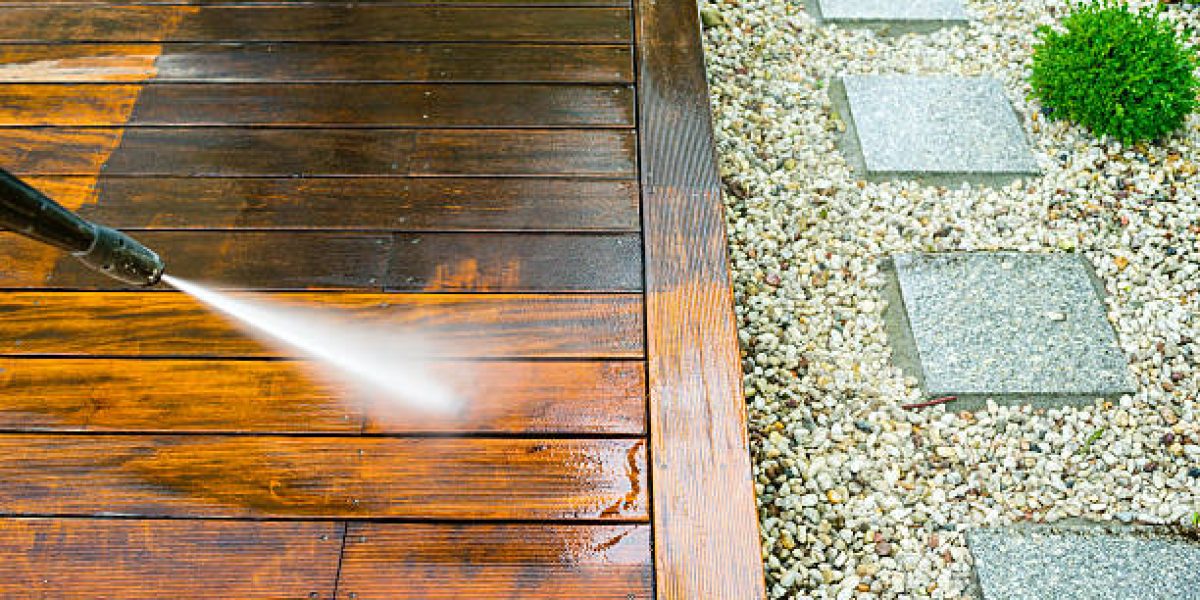
So you’ve thrown epic backyard barbies and lazy Sunday arvos on your deck or patio, but the grime is starting to cramp your style. Trust me, I’ve been there – stepping outside onto a moss-covered deck that’s slicker than a freshly poured schooner.
It’s not just an eyesore, it’s downright dangerous. In humid Brisbane, our tropical climate practically invites algae, mildew and mould to set up shop on any sun-baked surface. The bright side? A solid cleaning routine will leave your outdoor living space sparkling again.
Brisbane’s climate can be a bit of a double-edged sword. Long, hot summers and sudden downpours make our outdoor areas inviting – but also prime real estate for green algae, black mould, and tired-looking timber. Decks and patios that don’t see sunlight (hello, covered terraces and shady corners) often become breeding grounds for slippery mildew.
Plus, fallen gum leaves and BBQ drips can leave tannin stains and grease spots that refuse to budge. Regular maintenance is key – I’ve found that dealing with stains early keeps them from becoming nightmares later.
Even Queensland’s Waterwise guidelines remind us to be smart with water. Don’t hose down the whole patio at the first sign of dirt. Sweep or blow off leaves and debris first.
Only break out the hose or pressure cleaner for really stubborn stains or safety reasons. This saves water (and neighbours’ lawns) in the long run. If you end up with cleaner runoff, protect your plants – I’ll cover garden safety soon.
Common Gremlins: Algae, Mould, Oil and More
What exactly are you up against? First, green algae and moss – these thrive in Brisbane’s damp spots, like that shady patch under your eaves or the north side of the house. They form a slippery green layer on concrete and sometimes on timber too.
Black mould and mildew often appear as dark stains on wood decks and patios. And then there are tannin stains from leaves or from the timber itself, which show up as reddish-brown streaks on hardwood decking.
Don’t forget oil and grease spots around the grill or garage that can leave ugly dark puddles on concrete.Each stain needs a slightly different approach, but many battle-tested tips cover the basics. The key is to identify the stain and treat it early. For example, consider these common problems and quick fixes:
| Stain/Issue | Recommended Treatment |
|---|---|
| Green algae/moss | Scrub with an oxygen-bleach solution and rinse off |
| Black mould/mildew | Use diluted bleach or mould remover; scrub thoroughly |
| Oil/grease spots | Apply dish soap or degreaser; scrub with a brush |
| Tannin (wood) stains | Treat with oxalic acid or timber brightener; rinse |
| Rust (metal stains) | Clean with white vinegar or a rust-removal product |
DIY Cleaning Steps: Sweep, Scrub, Rinse
Here’s a friendly game plan for DIY deck and patio cleaning. Think of it like giving your outdoor space a spa day:
- Clear the Area: Move furniture, pots and mats out of the way. Rake up loose leaves and debris – you don’t want them mixing with your cleaner.
- Dry Sweep: Use a stiff broom to sweep the surface and between the boards. This removes dirt and mould spores so you’re not spreading them around.
- Apply a Cleaning Solution: Pick a cleaner suited to your surface. For wooden decks, I swear by an oxygen bleach (sodium percarbonate) mix – it kills algae and mould but is kinder to wood and plants than chlorine bleach. For concrete or tile patios, a mix of warm water and a bit of dish soap will tackle most grime. If you have oil stains, use a degreaser or a paste of baking soda and water. For rust spots, white vinegar does wonders (just watch it on wood). Follow label instructions carefully when mixing cleaners.
- Scrub Thoroughly: Grab a stiff-bristled brush (or a deck brush on a pole) and go to town. Scrub in sections, following the grain of timber to avoid roughening the boards. For patios, use a circular motion. This is elbow-grease time – most stains will lift if you scrub long enough.
- Rinse Carefully: If you have a pressure washer, set it to low or medium. Hold it about 30 cm from timber, using a wide-fan nozzle. This gets rid of suds without gouging the wood (too much pressure can make timber fuzz up). For concrete, you can use higher pressure. If you’re using a hose, always use a trigger nozzle (Queensland rules require it). Rinse off every bit of cleaner – leftover soap can leave slippery residue. For wood, again rinse along the grain.
- Protect Your Plants: Wet the plants and grass around your area before you start. If any cleaner splashes off the deck or patio, having the garden damp first will dilute any chemicals. After rinsing the deck, water the garden again. This way, your deck gets clean and your garden stays happy.
- Repeat if Needed: Some stains are stubborn. If spots remain, reapply cleaner and scrub again, then rinse. Just don’t leave a strong cleaner sitting on timber too long without rinsing, as it could lighten the wood.
Once the deck or patio is clean and dry, consider sealing or oiling any timber. This helps repel future stains and keeps colours vibrant. A fresh coat of wood oil (like a clear decking oil) after cleaning will also give the place a welcomed shine.
Safe Cleaning Products and Tools
Chlorine bleach might come to mind, but beware: it will kill mould, but it’s harsh on timber and will strip colour from wood. Instead, reach for an oxygen bleach solution (common “deck cleaners” or even laundry oxygen boosters).
These work great on wood and harmlessly break down into water and soda ash after use. For stone or concrete, a mixture of washing-up liquid and water often does the trick for everyday dirt.
If a stain is really baked on, you can use a mild deck-specific cleaner or a diluted household bleach (maybe 1 part bleach to 3 parts water). Just remember to rinse super well and keep it away from your plants. Always scrub off any excess from the surface.
Your toolkit should include: a stiff broom, a heavy-duty scrubbing brush or deck brush, protective gloves, and safety goggles. A pressure washer is awesome, but only if you use it right (low pressure for wood). A spray bottle filled with cleaner can help target small spots. And of course, have a trigger nozzle on your hose to control the spray.
DIY vs Professional Cleaning
Okay, real talk: you can handle most of the cleaning yourself. It’s rewarding and keeps cash in your wallet. But sometimes, hiring a pro makes sense. Deck and Patio Cleaning Experts have commercial-grade washers and know exactly what chemicals to use (so you don’t accidentally burn your lawn with a harsh detergent).
They might charge around $120–$150 per hour (roughly $3–$5 per square metre) for deck and patio cleaning, plus call-out fees. If you’ve got a giant deck or very delicate flooring, paying someone means not straining your back or risking damage.
A good cleaning crew will clear and sweep the area first, spot-treat stains, then do a gentle low-pressure wash, usually with a deck-friendly formula. They often mention things you might miss – like “Oh hey, that board’s loose,” or “This corner trapdoor looks mouldy.”
They also carry insurance, which is handy if something accidentally breaks during cleaning. In short, hiring can be worth it for speed and peace of mind, especially if you’re gearing up to sell or host a big party.
If you go pro, make sure to get a written quote. Ask what chemicals they use (you want something deck-safe) and confirm they’ll rinse up thoroughly. And always move your furniture first – no one wants to chase chairs around on cleaning day!
Keeping It Gleaming: Maintenance Tips
After all that work, keep the shine going. Make a habit of sweeping your deck or patio about once a week. This prevents dirt buildup and stops leaves from rotting on the surface. In between deep cleans, you can do a quick spray with the hose to rinse away dust – just do it in off-peak hours to avoid the midday sun drying soap on the deck (which can cause streaks).
A light oil or sealant coat on wood every couple of years helps repel water and dirt. For patios, check the grout or joint lines: if weeds or moss show up, pull them out or apply a non-toxic weed killer. Never let standing water puddle long-term; if it does, dry-brush or rearrange drains.
Finally, protect high-traffic areas. Outdoor mats can limit wear, and wiping pet feet before they zoom onto the deck can minimize stains. A little care goes a long way in saving you hassle (and more elbow grease) down the line.
Conclusion
Deck and patio cleaning doesn’t have to be an Aussie backyard nightmare. With the right know-how (and a dash of Aussie DIY spirit), you’ll have your outdoor area party-ready in no time.
We’ve covered everything from practical steps (like sweeping first) to picking safe cleaners and even when it’s worth calling in the pros. Now the deck is set for another round of barbies, lazy afternoons or sunset sangrias!
So grab your broom or brush and get to it. Your future self (and every mate who steps on your deck) will thank you for a grippy, spotless surface. Any questions or wild stain stories? Drop them below or chat to the local experts linked above. Happy cleaning, and enjoy that Brisbane sunshine on a fresh, clean patio!
FAQs
How often should I clean my deck and patio?
Sweep every few weeks and deep clean about once a year. Brisbane’s humidity may require more frequent cleaning if mould, algae or grime builds up quickly.
What’s the best way to remove mould or algae from a wooden deck?
Use a timber-safe cleaner, scrub along the grain and rinse thoroughly. Always test the product first and follow its instructions to avoid damaging the wood.
Is pressure washing safe for my deck or patio?
Yes, when used correctly. Use lower pressure and a wide fan nozzle on timber, while concrete can generally handle stronger pressure. Test a small area first.
Should I handle heavy stains myself or hire a professional?
DIY works for small stains, but large areas or stubborn mould, oil and rust may need professional cleaning to save time and prevent surface damage.