
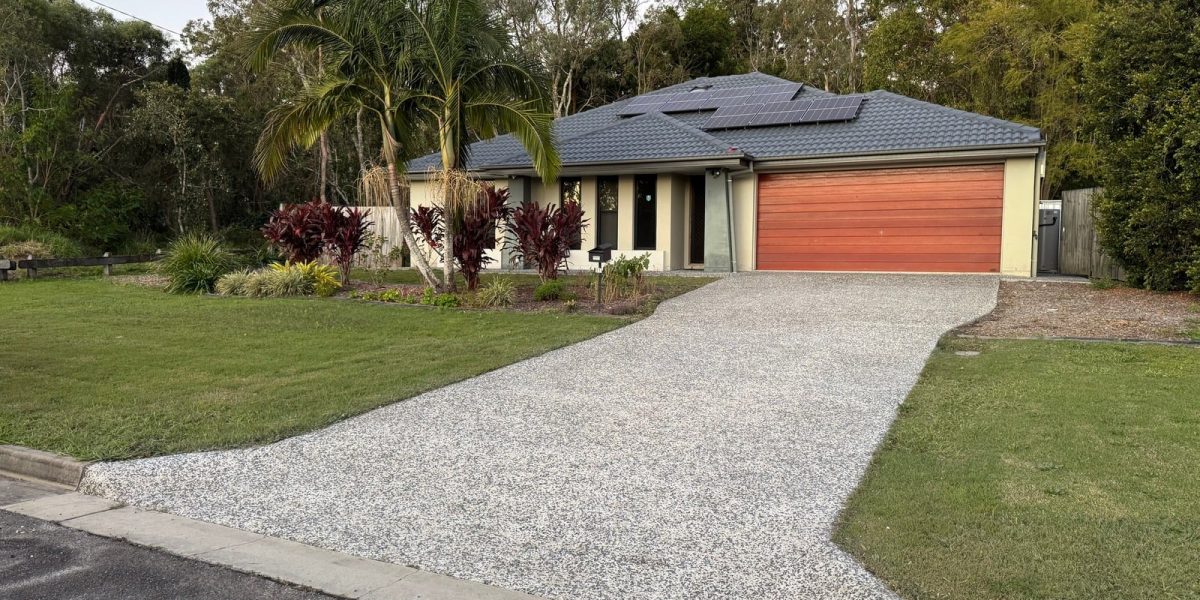
Exterior surfaces are exposed to Brisbane’s changing weather, moisture, dust, organic growth and everyday wear. Over time, these conditions can leave walls, concrete, paved areas and other outdoor surfaces looking tired or showing early signs of deterioration. Exterior surface restoration provides a structured way to clean, repair and protect these areas rather than relying on occasional cosmetic cleaning.
For Brisbane property owners, exterior surface restoration can help address visible deterioration while supporting better long-term maintenance. The process is not simply about making a property look cleaner. It involves assessing the surface, preparing it correctly, selecting suitable cleaning or repair methods and improving its resistance to future exposure.
What Does Exterior Surface Restoration Involve?
Exterior surface restoration is a broader process than basic exterior cleaning. Depending on the property’s condition and the material involved, restoration may include cleaning, preparation, minor repairs, stain removal, surface treatment and protective measures.
The exact approach should always depend on the surface. Concrete, painted walls, rendered areas, masonry, paving and other exterior materials can respond differently to pressure, chemicals, moisture and abrasion.
A professional assessment can help determine whether the surface requires cleaning only or whether underlying problems need attention before cleaning or coating begins.
Why Is Exterior Surface Restoration Important for Brisbane Properties?
Brisbane properties experience heat, rainfall, humidity and periods of strong weather exposure. These conditions can contribute to staining, mold, algae, dirt accumulation, fading and gradual surface deterioration.
Regular exterior surface restoration helps property owners respond to these problems before they become more difficult to manage. Queensland Government maintenance guidance recognises activities such as high-pressure water blasting and washing building exteriors as forms of maintenance when they help preserve or protect a building asset.
The aim is not to make every surface look brand new. Instead, the focus should be on appropriate cleaning, repair and maintenance that suits the material and its existing condition.
1. Improves the Appearance of Exterior Areas
One of the most noticeable benefits of exterior surface restoration is improved presentation. Dirt, environmental staining, mould, algae and weathering can make otherwise well-maintained properties appear neglected.
Professional cleaning can remove accumulated contaminants more consistently than occasional household washing. When appropriate, surface repair and preparation can also address areas where deterioration has already affected the appearance.
This can be particularly useful before selling, leasing, renovating or carrying out other property improvements. A cleaner exterior creates a more consistent appearance across walls, paths, driveways and other visible areas.
2. Helps Identify Surface Problems Early
Cleaning can reveal issues that are difficult to see beneath dirt and organic growth. Cracks, damaged coatings, deteriorated areas, failed sealants or uneven surfaces may become more apparent once contaminants have been removed.
This makes exterior surface restoration useful as part of a broader maintenance approach. Queensland guidance recommends inspecting exterior elements for issues such as cracking, water entry and problems affecting external walls and surrounding areas.
Identifying these conditions earlier gives property owners an opportunity to investigate the cause and determine the appropriate repair rather than simply covering the visible symptom.
3. Supports Better Surface Longevity
Exterior materials are continually exposed to moisture, sunlight, pollutants and physical wear. Allowing contaminants to remain on a surface for extended periods may make ongoing maintenance more difficult.
A planned exterior surface restoration program can help keep surfaces cleaner and make deterioration easier to monitor. Cleaning alone does not guarantee a longer service life, but appropriate maintenance can help prevent avoidable build-up and allow emerging problems to be addressed sooner.
The most suitable maintenance frequency depends on the material, exposure, surrounding vegetation, drainage and property’s use.
4. Creates a Better Foundation for Repairs
Surface preparation is an important part of exterior surface restoration because repairs or protective treatments generally perform better when applied to a suitably prepared surface. Queensland Government building maintenance guidance also highlights the importance of appropriate maintenance activities for preserving building assets and their appearance.
Dirt, loose material, biological growth and previous failed coatings may interfere with subsequent work. Simply applying a new treatment over an unstable or contaminated surface can lead to inconsistent results.
A professional process may therefore involve cleaning first, allowing the surface to dry, checking its condition and then determining whether further repair or treatment is appropriate.
For building owners, this approach can reduce the risk of spending money on a surface treatment before the underlying preparation has been properly completed.
5. Helps Manage Mould, Algae and Organic Growth
Brisbane’s warm and humid conditions can create favourable environments for organic growth on shaded or damp exterior areas. Walls, paths and other surfaces may develop green or dark staining when moisture and environmental contaminants accumulate.
Professional exterior surface restoration can incorporate suitable cleaning methods to remove unwanted growth while taking the material into consideration.
However, removing the visible growth is only one part of the process. Property owners should also consider contributing conditions such as persistent moisture, blocked drainage, poor ventilation or vegetation that keeps surfaces damp.
What Can Professional Restoration Include?
A restoration program should be tailored to the surface rather than applying one cleaning method everywhere. Depending on the property, the work may involve several stages.
| Restoration Stage | Typical Purpose | Why It Matters |
| Surface assessment | Identify material, condition and visible defects | Helps determine a suitable approach |
| Exterior surface cleaning | Remove dirt, staining and organic build-up | Creates a cleaner working surface |
| Surface preparation | Remove loose or unsuitable material | Supports subsequent repair or treatment |
| Minor surface repair | Address appropriate localised defects | Helps prevent visible deterioration worsening |
| Protective treatment | Improve resistance where suitable | Can support ongoing surface maintenance |
| Final inspection | Check the completed work | Confirms the surface has been treated appropriately |
| Maintenance planning | Establish future cleaning or inspection needs | Helps prevent neglect between services |
This staged approach is one reason exterior surface restoration should not be treated as simply pressure washing a property. Different materials can require different pressure levels, cleaning solutions and preparation methods.
6. Can Exterior Surface Restoration Protect Property Presentation?
Yes, when it forms part of sensible ongoing maintenance. Clean and reasonably maintained exterior areas can contribute to a property’s overall presentation and help prevent minor appearance problems from accumulating.
Exterior surface restoration can be particularly relevant for properties exposed to busy roads, trees, coastal-style moisture, shaded conditions or frequent rainfall. These environmental factors can increase the amount of cleaning and maintenance required.
For commercial properties, presentation may also matter to customers, visitors, tenants and staff. For homes, it can improve the overall consistency between the building exterior and surrounding outdoor areas.
Brisbane City Council notes that building owners are responsible for maintaining buildings and that buildings should not be allowed to become dangerous or fall into disrepair.
7. Supports More Consistent Exterior Maintenance
A one-off clean can make a substantial visual difference, but maintenance becomes more useful when property owners understand what needs attention afterwards.
Professional exterior surface restoration can provide an opportunity to establish a practical maintenance routine. This might involve periodic inspections, scheduled cleaning and prompt attention to visible deterioration.
A maintenance plan can consider:
- Surface type and age
- Exposure to rain and direct sunlight
- Shaded or damp areas
- Nearby trees and vegetation
- Previous cleaning or restoration work
- Drainage and water-flow conditions
- The property’s residential or commercial use
This approach makes maintenance more predictable and can help property owners avoid waiting until surfaces become heavily stained or visibly damaged.
How Should Property Owners Prepare for Restoration?
Before arranging exterior surface restoration, it is useful to identify the areas that require attention and explain any known concerns to the service provider.
Photos can help document the existing condition, while information about previous cleaning, coatings or repairs may help determine the appropriate method.
Property owners should also consider whether access restrictions, outdoor furniture, vehicles, landscaping or other obstacles could affect the work area. A professional provider can then assess the surfaces and recommend a suitable process.
Where restoration involves building work, coatings, repairs or changes beyond straightforward cleaning, owners should also check whether any approvals or specialist trades are required. Brisbane City Council provides building and construction information covering permits, approvals and certification requirements for relevant work.
8. Helps Maintain Different Exterior Surface Types
A key advantage of exterior surface restoration is that the process can be adapted to different exterior materials.
Concrete may require a different cleaning approach from painted walls. Rendered surfaces can also require careful pressure control, while masonry may need attention to existing coatings and moisture exposure.
The objective is to remove unwanted material without creating additional damage. This is why choosing the correct method is more important than simply using the highest available pressure.
All Things External specifically describes its exterior cleaning approach as matching methods, chemistry and pressure to the surface being treated.
When Should You Consider Exterior Surface Restoration?
There is no single schedule that suits every property. Instead, owners can look for visible signs that maintenance may be required.
Common indicators include persistent staining, organic growth, dirt accumulation, faded or deteriorated finishes, areas that remain damp and surfaces that have become noticeably harder to keep clean.
Exterior surface restoration may also be worth considering before painting, property presentation work or other exterior improvements. Cleaning and preparation can help reveal the actual condition of the surface before additional work begins.
The important point is to avoid treating every stain as a structural problem or every cosmetic issue as something requiring major restoration. Assessment should come first.
How Can Professional Restoration Support Long-Term Property Care?
Professional exterior surface restoration can form one part of a wider property maintenance strategy. Its value comes from combining appropriate cleaning with inspection, preparation and sensible follow-up maintenance.
For Brisbane properties, regular attention can be especially useful where exterior surfaces are exposed to moisture, organic growth and heavy environmental contamination.
It is also important to understand the difference between restoration and repair. Cleaning may improve a surface’s appearance, but it cannot correct every structural or material defect. Significant cracks, water entry, movement or deterioration may require assessment by an appropriately qualified building or construction professional.
This distinction helps property owners choose the right service for the actual problem rather than expecting a cleaning process to resolve an unrelated building issue.
Conclusion
Well-maintained exterior areas contribute to a property’s presentation, usability and ongoing care. Exterior surface restoration provides a practical way to address accumulated dirt, organic growth and surface deterioration while identifying areas that may need further attention.
For Brisbane property owners, the right approach starts with understanding the material and its condition rather than applying the same cleaning method everywhere. When cleaning, preparation and maintenance are considered together, exterior care becomes more structured and easier to manage.
If your property needs professional attention, Book Your Service with All Things External and discuss the condition of your exterior surfaces with the team.
Frequently Asked Questions
1. What is exterior surface restoration?
Exterior surface restoration is the process of cleaning, preparing, repairing or protecting outdoor building and property surfaces according to their condition and material. The exact work varies between properties.
2. How often should exterior surfaces be restored?
There is no universal interval. Cleaning frequency depends on exposure, material, moisture, vegetation, weather conditions and how quickly dirt or organic growth accumulates. Regular inspections can help determine when maintenance is required.
3. Is exterior surface restoration the same as pressure cleaning?
No. Pressure cleaning can be one part of exterior surface restoration, but restoration may also involve assessment, preparation, minor repairs, specialised cleaning or protective treatment. The correct process depends on the surface.
4. Can restoration remove mold and algae?
Appropriate cleaning methods can remove visible mold, algae and other organic growth from suitable exterior surfaces. However, persistent moisture or drainage problems should also be considered because removing surface growth does not automatically remove its cause.
5. Is professional restoration suitable for commercial properties?
Yes. Exterior surface restoration can be considered for commercial buildings and other properties where exterior presentation and maintenance are important. The required process should be selected according to the building materials, access conditions and level of deterioration.