
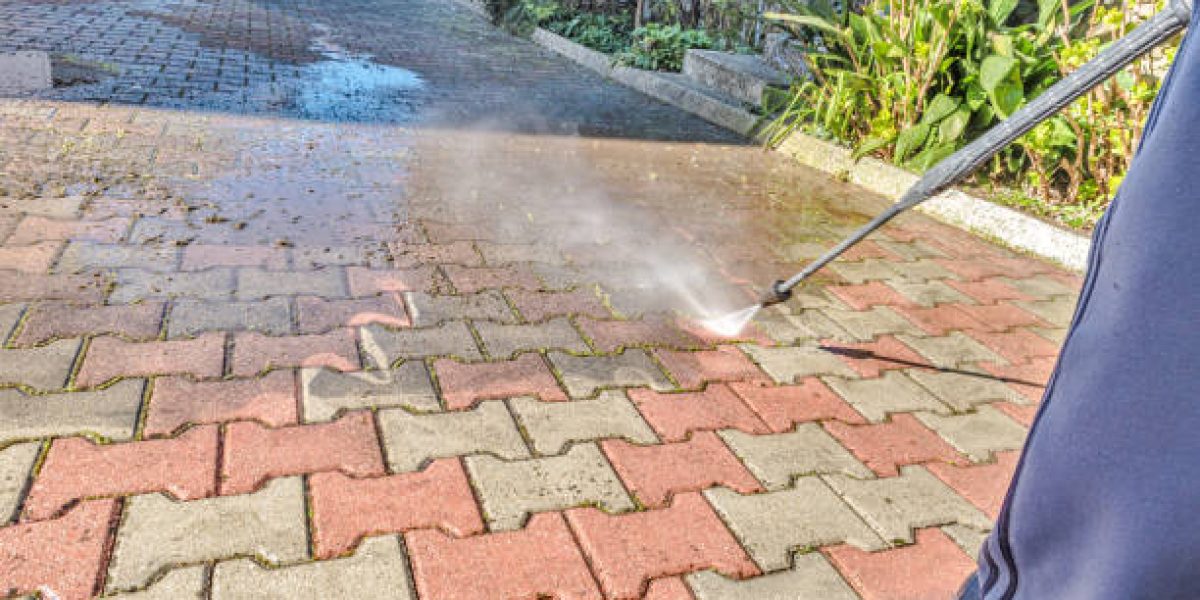
A dirty car park is easy to overlook when a business has a busy schedule. Yet customers notice oil patches, black tyre marks and grime around parking bays, particularly when the rest of the property looks well cared for. Car Park Pressure Washing helps remove this built-up dirt and keeps commercial parking areas looking cleaner.
For businesses in Brisbane, Car Park Pressure Washing is a practical way to deal with this everyday build-up. It helps restore the appearance of hard surfaces and makes routine property maintenance easier to manage.
Why Do Commercial Car Parks Get Dirty So Quickly?
Think about the number of vehicles moving through a shopping centre or office car park each day. Cars bring in dust and road grime, tyres leave rubber marks, and small oil leaks can gradually create dark patches on the concrete. Add fallen leaves, takeaway spills and rainwater, and even a relatively new parking area can start looking tired.
Brisbane’s weather adds another consideration. Humid conditions and regular rain can leave some shaded areas damp for longer than others. Where drainage is poor, dirt and organic growth may collect in corners or along the edges of parking bays.
Sweeping deals with loose rubbish, but it will not always remove grime that has settled into a concrete surface. This is where Car Park Pressure Washing can make a difference. The right equipment and cleaning method help loosen stubborn dirt without relying on excessive force.
The amount of cleaning required depends on how the property is used. A small office with a few dozen spaces will have different needs from a retail centre with constant vehicle movements and delivery traffic.
1. Keeps the Property Looking Presentable
First impressions do not begin at the reception desk. For many visitors, the car park is the first part of a commercial property they encounter.
Dark stains around parking spaces, dirty kerbs and grime near the entrance can make an otherwise well-maintained building appear neglected. This can be particularly noticeable at shopping centres, medical facilities, restaurants and office buildings where visitors arrive throughout the day.
Regular cleaning helps prevent these marks from becoming the dominant feature of the area. Commercial car park cleaning can also make parking bays, access lanes and pedestrian approaches look more consistent.
There is a limit to what washing can achieve, though. Concrete that has been stained for years may retain some discolouration, even after a thorough clean. Damaged surfaces and worn line markings also need separate attention.
Car Park Pressure Washing should therefore be treated as part of an ongoing maintenance plan rather than a one-off fix for every surface problem.
2. Helps Deal With Slippery Dirt and Residue
A patch of oil near a parking bay might not seem like a major concern until someone walks across it. Similarly, algae or accumulated grime in a damp corner can make a surface harder to walk on, especially when wet.
Cleaning helps remove certain contaminants that contribute to these conditions. Ramps, pedestrian crossings, footpaths and areas near building entrances deserve particular attention because people use them regularly.
However, a freshly washed surface is not automatically slip-resistant. The concrete finish, surface damage, drainage and remaining contamination all affect how safe an area is underfoot.
Car Park Pressure Washing can form one part of a sensible approach to managing these risks. After cleaning, property managers should check whether water still pools in particular areas or whether damaged concrete needs repair.
Clear signage, prompt spill clean-up and suitable pedestrian access remain important. If a section continues to be slippery after washing, investigate the underlying cause instead of simply repeating the clean.
3. Removes Oil Marks and Stubborn Tyre Residue
Oil stains are a familiar problem in busy parking areas. A vehicle may leave a small leak unnoticed for weeks, allowing the mark to spread or penetrate the concrete. Tyre marks can build up around tight turns, while grease often accumulates near loading bays and service entrances.
These marks do not all respond to the same treatment. A general rinse may remove loose dirt, but older oil stains often need a suitable pre-treatment before washing begins.
Car Park Pressure Washing works best when the operator first identifies what has caused the mark. Rubber residue, oil, food spills and rust may require different cleaning products or techniques.
This is also a reason to avoid applying maximum pressure to every stain. Excessive force can damage weak concrete, disturb surface coatings or leave an uneven finish. A controlled method is usually more appropriate than simply increasing the pressure.
For commercial properties, early treatment can make maintenance more straightforward. Fresh spills are generally easier to address than stains that have been left to soak into porous concrete for months.
4. Makes Concrete Problems Easier to Spot
Cleaning does not repair concrete, but it can make the condition of a surface easier to assess.
Dust, grease and dark grime can hide small cracks, damaged joints and worn areas. Once the surface has been cleaned, these defects may be easier to identify during a routine inspection.
This is useful for property managers responsible for large parking areas, where minor defects can otherwise go unnoticed between maintenance visits.
Concrete car park cleaning should be carried out with the surface condition in mind. Car Park Pressure Washing on older concrete, exposed aggregate and coated surfaces may require a lower-pressure approach or a different cleaning method. A test on a small area can help establish whether the proposed technique is suitable.
If cracks are widening, concrete is breaking away or water repeatedly collects in the same place, arrange an appropriate inspection. Washing will not solve structural deterioration or drainage faults.
5. Makes Routine Maintenance More Manageable
Cleaning a large parking facility takes planning. There may be hundreds of bays, several vehicle entrances, pedestrian routes and areas that cannot be closed at the same time.
A staged approach is often easier to manage than trying to clean the entire site in one go. The contractor can work through selected sections while other areas remain available, provided access and safety can be maintained.
Car Park Pressure Washing may also reduce the amount of manual scrubbing needed on suitable surfaces. The time saved will depend on the size of the site, the equipment used, the amount of staining and whether wastewater needs to be collected.
For a property manager, the practical benefit is having a clearer maintenance routine. Cleaning dates can be recorded, recurring stains can be monitored, and problem areas can be dealt with before the whole car park needs attention.
What Should a Commercial Car Park Cleaning Plan Cover?
Not every part of a parking facility needs the same treatment. A sensible plan starts with a walk-through of the site and identifies where dirt accumulates, which surfaces need care and how the work can be completed without unnecessary disruption.
| Area or problem | Suitable maintenance approach | Why it matters |
| Parking bays | Remove loose debris and treat visible stains | Keeps individual spaces presentable |
| Entry and exit lanes | Schedule cleaning around traffic levels | Maintains access during the work |
| Oil and grease patches | Assess the stain and apply an appropriate pre-treatment | Targets stubborn vehicle-related residue |
| Pedestrian paths | Clean using a method suited to the surface | Removes accumulated grime and organic growth |
| Concrete cracks and joints | Inspect and arrange repairs where necessary | Helps identify defects that cleaning cannot fix |
| Loading areas | Pay attention to grease, spills and heavy vehicle marks | Addresses contamination from frequent use |
| Drainage points | Check for blockages and plan wastewater collection | Helps prevent polluted runoff |
| Multi-level parking areas | Assess ventilation, drainage and access restrictions | Allows the work to be planned around site conditions |
The table is a starting point, not a fixed checklist for every property. A warehouse may need more attention around loading zones, while a shopping centre may prioritise customer parking and pedestrian entrances.
6. Protects Local Waterways During Cleaning
One part of pressure cleaning that deserves more attention is what happens to the water afterwards.
When grime is washed from a car park, the runoff may contain oil, sediment, detergents and other contaminants. If this water enters a stormwater drain, it can be carried towards local waterways rather than being treated as ordinary sewage.
For Brisbane properties, this is an important consideration because urban runoff can affect creeks, rivers and Moreton Bay. Queensland Government guidance explains how pollutants can enter waterways through stormwater systems. See the official information on protecting local waterways.
Car Park Pressure Washing should therefore include a plan for managing the wastewater, particularly where oil and chemicals are present.
Depending on the site and applicable requirements, this may involve drain protection, containment, collection and appropriate disposal. Choosing a responsible approach to Car Park Pressure Washing also helps reduce the risk of contaminated runoff reaching nearby waterways.
Property managers should ask contractors how they will handle runoff before the work starts. A clean-looking surface is not a good result if the process creates a pollution problem elsewhere.
7. Reduces Disruption for Customers and Tenants
A commercial car park rarely sits empty for long. Staff arrive in the morning, customers come and go throughout the day, and deliveries may need access to service areas.
Cleaning at the wrong time can create unnecessary inconvenience. Vehicles may need to be redirected, bays temporarily closed and pedestrian routes adjusted.
The easiest solution is to agree on a schedule before work begins. Some sites are better suited to early mornings or quieter trading periods, while others may need to be cleaned in small sections during normal operating hours.
Car Park Pressure Washing should also allow time for surfaces to dry before unrestricted use resumes. Weather, shade and ventilation can affect drying times, so the contractor should assess conditions rather than promise the same turnaround for every job.
Planning Car Park Pressure Washing around quieter periods can help minimise disruption to customers, tenants and daily business operations.
A clear plan helps tenants and visitors understand where they can park and which routes remain open. It also gives the cleaning team room to work without unnecessary interruptions.
How Often Should a Commercial Car Park Be Cleaned?
There is no universal schedule. The right interval depends on traffic, the type of vehicles using the site, the amount of shade, nearby landscaping and how quickly visible grime returns.
A busy shopping centre may need frequent attention around entrances and loading areas. A small office car park with limited daily traffic may stay presentable for longer.
Between professional cleans, regular sweeping and prompt spill removal can help prevent dirt from building up. Property managers should also look for recurring oil patches, blocked drainage points and areas that remain damp after rain.
Car Park Pressure Washing can then be scheduled according to the condition of the site rather than relying entirely on a calendar. This approach makes it easier to direct maintenance towards the areas that need it most.
Choosing a Cleaning Provider in Brisbane
Before booking a contractor, ask how they assess the surface, deal with different stains and protect nearby drains. Experience with commercial properties is useful because large sites have different access and scheduling requirements from residential driveways.
It is also worth confirming what the quote includes. Pre-treatment, wastewater collection, work outside business hours and access restrictions can all affect the scope of the job.
For businesses planning wider exterior maintenance, view the available services from All Things External and discuss the requirements of your property, including your Car Park Pressure Washing needs.
A useful quote should explain what will be cleaned, what results are realistic and whether any visible stains may remain after treatment. That makes it easier to compare providers and avoid surprises once work begins.
Conclusion
A dirty car park can become an ongoing headache when oil marks, tyre residue and general grime are left to accumulate. Regular cleaning helps keep commercial properties presentable, makes surface inspections easier and supports a more organised maintenance routine.
Car Park Pressure Washing can be a useful part of that process, provided the cleaning method suits the surface and wastewater is managed responsibly. It will not repair damaged concrete or fix drainage problems, but it can help address the everyday dirt that builds up through normal use.
If your commercial property needs attention, request a cleaning quote from All Things External. Explain the size of the parking area, the stains you are dealing with and any access restrictions so the team can assess the work required.
Frequently Asked Questions
1. What is Car Park Pressure Washing used for?
It is used to remove dirt, tyre marks, oil residue and other surface contamination from suitable car park surfaces. The equipment and pressure should be selected according to the material and the condition of the area.
2. Can pressure washing remove old oil stains?
It can reduce many oil stains, particularly when an appropriate cleaning treatment is used first. Older stains may have penetrated porous concrete, so complete removal is not always possible.
3. Is pressure washing suitable for every commercial car park?
No. Concrete condition, painted markings, protective coatings and drainage arrangements all affect the appropriate cleaning method. A site assessment helps identify any surfaces that require special care.
4. How often should a commercial car park be cleaned?
It depends on vehicle traffic, weather exposure and the rate at which grime returns. Busy retail and industrial sites may need more frequent cleaning than smaller office facilities. Regular inspections help establish a practical schedule.
5. How can car park cleaning avoid stormwater pollution?
The contractor should assess the runoff, protect stormwater drains and collect or manage contaminated wastewater according to the applicable requirements. Oil and chemical residues should not simply be washed into street gutters or stormwater systems.