
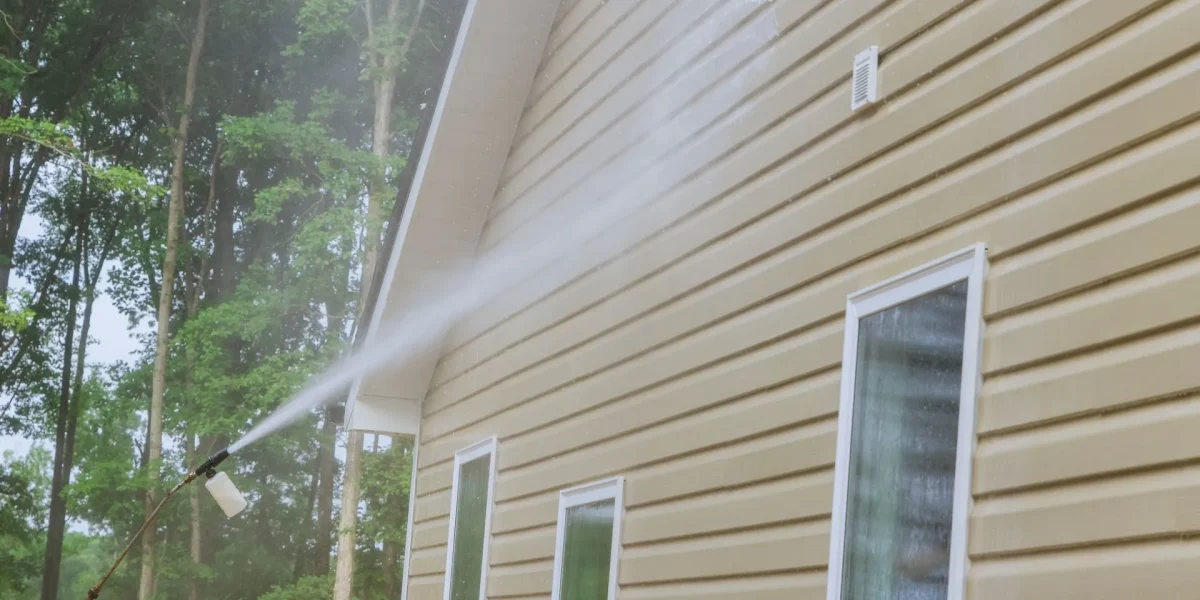
Imagine your home as the outfit you wear every day. Just like your favorite suit or dress, it deserves regular cleaning to stay sharp. In Brisbane’s warm, humid climate, exteriors pick up mould, dirt and pollen faster than you’d think. Left unchecked, walls, roofs and driveways can look tired, faded or even unhealthy.
House washing is like giving your house a spa day – blasting away years of grime to reveal a fresh, bright surface. Whether you live in a heritage Queenslander or a modern brick home, keeping the exterior clean not only boosts curb appeal but also protects paint, prevents decay, and even makes your outdoor spaces healthier for you and your family.
Professionals often say a proper wash can extend the life of gutters, eaves and cladding. I’ve seen it myself: a friend’s white rendered walls went from patchy green back to brilliant white after a soft wash. Tools and detergents do wonders.
In Brisbane, locals know to trust a specialist for this job. For example, Brisbane’s exterior house washing expert combines biodegradable cleaners with the right pressure to lift dirt without damage. That means bright walls, gleaming Colourbond roofs and clean concrete pathways – all without lifting paint or harming plants.
Benefits of Exterior Washing:
- Instant Curb Appeal: A thorough exterior clean can make your home look nearly new. It removes mould, algae and pollen, refreshing brickwork, weatherboards and roofs so the whole house shines.
- Protects Surfaces: Dirt and organic growth can eat away at paint, timber and metal over time. Regular washes act like preventive maintenance, saving you the cost of early repainting or repairs.
- Healthier Outdoors: Mold spores and allergens are washed away, so patios, balconies and gardens feel fresher. You’ll breathe easier on that morning coffee when you know the place is clean.
- Easy Preparation for Renovations: Planning to sell or repaint? A wash often makes paint jobs last longer and can boost resale value. A clean home can even attract buyers faster.
Soft Wash vs. High-Pressure Washing: Methods Explained
Not all house washing is just a “blast and dash”. There are two main approaches: soft washing and high-pressure washing. Choosing the right method is key.
- Soft Wash: This uses low-pressure spray with biodegradable detergents or chlorine-free cleaners. It’s perfect for delicate surfaces – like painted weatherboards, render or roof tiles. The chemicals break down mould, mildew and dirt over a few minutes before being rinsed off. Think of it as a deep treatment rather than brute force. Soft washing won’t peel paint or etch render (so the house stays intact), yet it lifts stubborn green growth at the roots. It’s often used on walls, timber cladding, tiled roofs and fences.
- High-Pressure Wash: This is your “power wash” mode. It uses stronger water jets (sometimes hot water) to physically blast away grime, usually with little or no detergent. Great for concrete driveways, patios, paths and certain robust walls (like brick or stone). For example, a grime-caked driveway can often be restored to like-new by a pressure washer. Warning: Never use high pressure on fragile surfaces (it can peel paint or damage wooden eaves). That’s why experts tailor the pressure to each area.
| Method | How it works | Ideal For | Avoid On |
|---|---|---|---|
| Soft Wash (Low Pressure) | Low-pressure spray with detergents or eco cleaners. Dwell time to kill mould. | Painted walls, render, Colorbond roofs, timber surfaces, fences. | (Avoid high pressure to protect paint and wood) |
| Pressure Wash (High Pressure) | Powerful water jets (sometimes heated) to physically remove dirt. | Concrete driveways/paths, brick exteriors, patios, stone. | Painted surfaces, timber, glass (may strip finish). |
As Brisbane’s high humidity invites mould and algae, professionals often use soft-wash chemistry first. The detergents are tough on grime but safe for plants and pets. After dwell-time kills off the growth, a gentle rinse flushes it away. For hard surfaces – like a concrete apron or old tile roof – a firm spray makes short work of stains.
Experienced cleaners will often combine both: soft-wash the walls and roof, then pressure-blast the driveway and pavement. It’s the balanced approach that prevents damage and saves time.
Costs of Exterior House Washing in Brisbane
Budgeting for an exterior clean depends on several factors. Generally, Brisbane homeowners can expect these rough ranges:
- Single-Storey Home (basic wash): Starting from about $450–$500.
- Double-Storey Home: Roughly $650–$950, since the crew needs extra setup (ladders, harnesses) and more time at height.
- Driveway or Concrete: Often quoted per square metre (approximately $4–$8/m²) with a minimum fee (e.g. around $100). A typical double-driveway might land $150–$350.
- Roof Cleaning: Alone, this can start around $900 for a standard tiled roof and go up to $1500–$2000 if it’s large, steep or covered in heavy lichen.
- Bundle Deals: Many companies offer discounts for combined services (house wash + roof + driveway), usually 5–10% off the total if booked together.
Here’s a quick comparison table:
| Service | Typical Brisbane Cost |
|---|---|
| Exterior House (single-storey) | ~$450–$600 (includes walls, eaves, gutters) |
| Exterior House (double-storey) | ~$650–$950 |
| Concrete Driveway (150 m²) | ~$150–$350 (depending on condition) |
| Roof (standard tiled, 1-storey) | ~$900–$1200 |
| Roof (double-storey or very dirty) | ~$1500–$2000 |
These are ballpark figures. Final quotes will consider your house size, height, surface type and how “dirty” it is. A Brisbane cleaning service often does a quick video or photo estimate nowadays.
The important point is: think of a wash as an investment that prevents bigger costs later (like repainting or mould remediation). For that investment, you get a clean home, extended material life, and a load less worrying about stains.
Environmental Considerations & Regulations
It’s tempting to just turn on the hose and blast away, but Brisbane has rules to protect waterways. All that wash water – laden with dirt, algae, paint flecks and cleaning agents – can run into storm drains. According to Brisbane City Council guidelines, contaminants in runoff (like mud, paint or cleaning chemicals) can pollute rivers and the bay.
In fact, council officials list “cleaning products” specifically as pollutants to manage. The good news is, professional cleaners factor this in. They often use eco-friendly, biodegradable detergents (safe for grass and pets) and aim the runoff onto lawns or gardens. They might even lay mats or use pumps to capture water.
So when you’re planning a wash day, remember: it’s not just about spraying surfaces. Block the storm drain, or direct water away from the street. If you hire a team, they’ll handle this automatically – it’s part of being “Brisbane-savvy”.
Also, note that large projects (like stripping paint or heavy exterior renovations) require erosion control measures by law. While a routine wash isn’t “construction”, being mindful of proper drainage keeps you on the right side of the Environmental Protection Act. (The main takeaway: don’t pour suds into the gutter – the goal is clean walls, not dirty rivers.)
Maintaining Your Home’s Exterior
Once the hard work’s done, how do you keep your place looking spick-and-span? It’s easier than repainting or replacing siding. Most pros recommend annual or biennial washes in Brisbane’s climate. Homes under trees, or in shaded yards, may need it more often (even every 6–12 months), since mould loves darkness and moisture.
- Regular Checks: Scan your home quarterly. Look for green streaks, black silt in corners, or grimy patches on walls and pergolas. Catching it early means a shorter, cheaper wash later.
- Clear the Gutters: Leaves and debris trapped in gutters and on roofs are like fertilizer for moss. Keep them clean – or have them cleared – so water flows away (and so cleaning is easier).
- Protect Plants: Before a wash, wet your garden beds well. The diluted detergent rinse is usually fine for plants, but pre-watering gives them a buffer. Many cleaners will wet plants again after the wash, too.
- DIY vs. Pro: For tiny jobs (a small fence or deck), a rented pressure unit can suffice. But for whole-house jobs, I’d always call an expert. They have the safety gear (no ladders teetering dangerously), know which chemicals won’t strip paint, and won’t turn your brick walls into Swiss cheese. Think of it like painting: you can try it yourself, but the fine finish and the lack of drama are worth hiring a pro.
If you do try DIY, never pressure-blast painted walls – instead, use a soft brush and mild soap, or a low-pressure nozzle. Always start with the gentlest method first. Wear goggles and keep a safe stance in case the water kicks back.
Conclusion
A sparkling home exterior is about more than vanity – it’s proactive home care. Regular cleaning keeps your walls and roof stronger and your family breathing easier. In Brisbane’s lively, leafy suburbs, letting dirt win means losing on both aesthetics and maintenance. The good news? Refreshing your facade is a fast, affordable win.
Ready to give your place that much-needed glow-up? A professional exterior wash could be just the thing. Picture your house after it’s cleaned: no more grimy streaks, just crisp gutters and vibrant walls.
Isn’t it time you loved coming home again? Reach out to the experts and get a free quote today. Brisbane’s top house-washing teams can transform your view – and protect your biggest investment – in just a few hours. Your home will thank you.
Why wait for next season’s stains? Book your exterior wash now and enjoy a fresher, brighter home tomorrow!
Frequently Asked Questions
1. How often should I wash my house exterior in Brisbane?
In Brisbane’s warm, humid climate, most homes benefit from a professional wash every 12 to 18 months. Shady yards or coastal areas (with salty air) might need it even more frequently. If you spot green mould patches, black streaks on eaves, or notice your walls looking dull, it’s time to book a wash. Regular cleaning prevents build-up, so the job is quicker each time.
2. Is exterior house washing safe for all surfaces?
Yes, when done correctly. Professionals will assess each surface: they might use a soft-wash (low pressure with cleaning agents) on painted timber or render, and switch to high pressure only on tough areas like concrete or brick. This tailored approach protects paint and wood from damage. Gentle care is key: you won’t see peeling paint or splintered wood if a trained team handles the job with the right settings.
3. Can I do exterior house washing myself or hire a pro?
You can certainly DIY small areas (fence panels, for example), but I advise hiring a pro for whole-house jobs. They have professional-grade equipment, safety gear (especially for roof and upper levels), and expertise to avoid mistakes. DIY without experience risks injury or damage (for instance, blasting a soft timber wall with high pressure). A pro’s work is usually faster, safer and just worth the peace of mind.
4. How do I prepare for an exterior house wash?
Before the crew arrives, clear the area: move vehicles, toys and outdoor furniture away from the walls. Make sure pets and kids are indoors, and close all windows. Water any delicate plants (though cleaners will often spray them too). If you have solar panels or screens, mention them – professionals typically protect these items. Finally, tell the team about any stained areas or gutter troubles you’ve noticed. With a bit of prep, the wash goes smoothly and your home comes out looking fantastic.