Brisbane properties deal with dust, humidity, rain, leaf debris and airborne grime throughout the year. Pressure washing services help restore tired-looking exterior areas by using controlled water pressure to loosen and remove contamination from suitable hard surfaces.
The key is not simply using the highest pressure available. Pressure washing services work best when the operator matches pressure, nozzle choice, distance and cleaning method to the material being treated. This helps remove stubborn marks while reducing the chance of surface damage.
What Makes Pressure Washing Services Effective?
Pressure washing directs a concentrated stream of water across a surface. The impact breaks the bond between dirt and the substrate, allowing loosened material to be rinsed away. Depending on the job, operators may also use detergents or pre-treatment solutions before rinsing.
Professional pressure washing is therefore more than pointing a machine at a dirty wall or driveway. Results depend on understanding the surface, identifying the stain and controlling the equipment correctly.
Common Contaminants Removed
- Built-up dirt, mud, algae, moss, organic residue, tyre marks and weather-related staining are among the common contaminants found on outdoor surfaces.
Different contaminants respond differently. Loose dust may lift quickly with water, while organic growth or embedded grime can need pre-treatment and dwell time. Oil and grease may also require a cleaning solution rather than pressure alone.
How Pressure Washing Services Tackle Different Stains
A useful cleaning process starts with identifying what is causing the discolouration. A dark patch may be mould, algae, dirt or a combination. Treating every stain in exactly the same way can lead to poor results or unnecessary surface wear.
For organic growth, the method may involve applying an appropriate solution first, allowing it time to work, then rinsing. This can be more controlled than relying entirely on extreme water pressure.
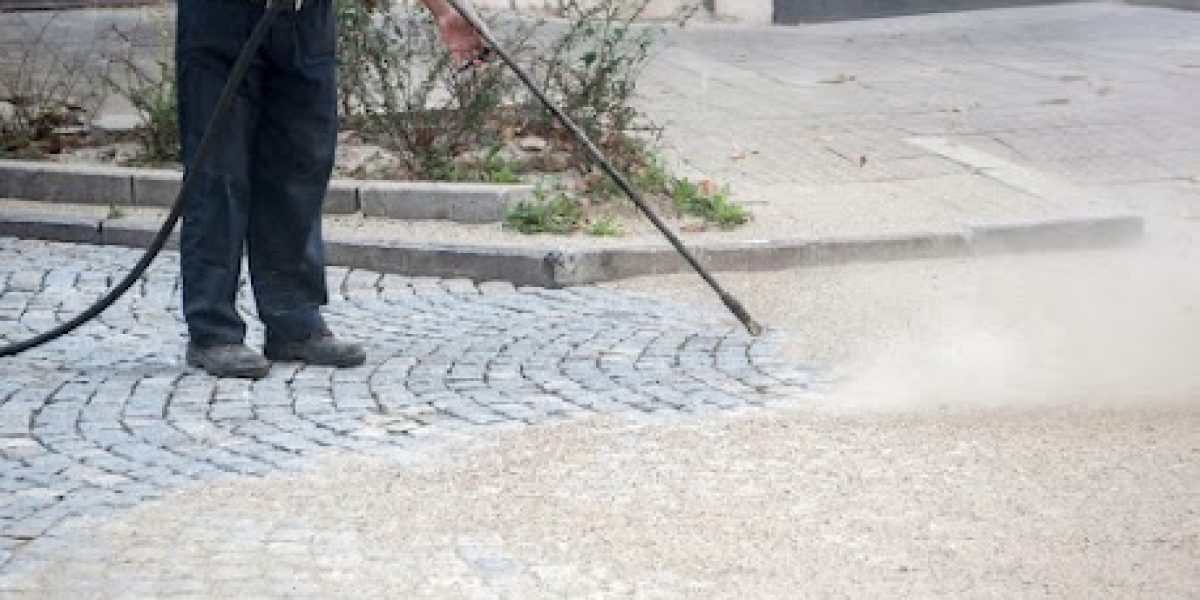
For compacted dirt, pressure washing services can use a suitable nozzle and controlled passes to lift material from the surface. On concrete, for example, the operator can work systematically rather than concentrating the jet in one spot.
Oil and grease are more challenging because they can penetrate porous materials. A degreasing treatment may be needed before rinsing. Some older stains may still leave a residual mark because the contaminant has migrated below the surface.
Why Pressure Washing Services Need the Right Pressure
More pressure does not automatically mean a cleaner surface. Excessive pressure can etch concrete, strip coatings, damage mortar joints, mark timber or force water into vulnerable areas.
A trained operator considers the material before choosing a setting. Concrete can generally tolerate more aggressive cleaning than painted surfaces, rendered walls or timber. Nozzle distance also changes the force delivered.
Pressure washing services should therefore use controlled technique rather than maximum. Fan-pattern nozzles can spread water over a wider area, while concentrated patterns may be reserved for suitable applications. Moving the nozzle consistently also helps avoid visible cleaning lines.
Surface type, stain severity and condition should all influence the method.
| Surface | Typical contamination | Main consideration |
| Concrete driveways | Dirt, tyre marks, algae, oil | Suitable pressure and pre-treatment |
| Paved areas | Dirt, moss, organic growth | Protect joints and avoid displacement |
| Rendered walls | Dust, algae, grime | Lower pressure and controlled technique |
| Painted surfaces | Dirt and weathering | Avoid stripping the coating |
| Timber | Dirt, algae, weathered residue | Reduce fibre damage with controlled pressure |
This is why residential pressure washing should not be treated as a one-setting job. Two surfaces at the same property can require completely different approaches.
How Pressure Washing Services Clean Driveways
Driveways often collect vehicle residue, dirt, leaves and organic growth. Driveway pressure washing can make a noticeable difference, but preparation matters.
The area should first be cleared of movable objects and loose debris. The operator can then assess cracks, damaged sections, existing coatings and drainage paths. Where appropriate, a cleaning solution may be used before the main rinse.
A systematic cleaning pattern helps produce an even finish. Working in manageable sections makes it easier to see which areas have been cleaned and reduces the chance of stripes or patches.
Older concrete may not return to its original colour. Some stains are deeply absorbed, while differences in weathering can remain visible. Good pressure washing services should set realistic expectations rather than promise that every mark will disappear.
How Pressure Washing Services Handle House Exteriors
House pressure washing can remove surface grime from suitable exterior materials, but walls require more care than many people realise. Windows, vents, seals, painted finishes and openings can be vulnerable to direct water.
The method should match the cladding or wall finish. Lower pressure may suit painted or rendered surfaces, while robust masonry may tolerate a different technique.
It is also important to consider what is behind the visible stain. Queensland Government guidance on mould emphasises controlling moisture and addressing the source of recurring dampness. Cleaning the surface without fixing a leak, drainage problem or persistent moisture source may only provide a temporary result.
When Professional Pressure Washing Is More Suitable
DIY cleaning can be practical for small, low-risk tasks, but larger exterior areas introduce additional considerations. Professional pressure washing can be useful where the surface is extensive, heavily stained, difficult to access or sensitive to incorrect equipment settings.
Commercial pressure washing may involve entrances, paths, loading areas, façades and other spaces where appearance and safe access matter. A commercial site may require planning around customers, employees and operating hours.
Professional pressure washing services can also help with wastewater management. In Queensland, pressure-cleaning wastewater should not simply be allowed to flow into roadside gutters or stormwater systems. Proper containment and disposal are important environmental considerations.
For useful background on moisture and mould, the Queensland Government’s mould and damp guidance is a relevant reference.
What to Check Before Pressure Washing Services Begin
A good cleaning job starts before the machine is switched on. The operator should inspect the area and consider the condition of the substrate, nearby fixtures and drainage.
Important checks include the age and condition of coatings, existing cracks, loose materials, fragile joints and areas where water could enter. Outdoor electrical equipment and delicate items may also need protection or relocation.
Pre-treatment is another consideration. If organic staining is present, a suitable treatment can help loosen contamination so the operator does not have to compensate by increasing water pressure.
After cleaning, the surface should be inspected while wet and again as it dries. Some stains become less obvious when wet but reappear after drying, particularly on porous concrete and masonry.
Pressure Washing Services and Long-Term Exterior Maintenance
Pressure washing services are most effective when they form part of a broader maintenance routine. Regular inspection can identify algae, dirt build-up, blocked drainage paths and early surface deterioration before they become harder to manage.
Cleaning frequency should depend on the property rather than an arbitrary schedule. A shaded area with poor drainage may become dirty faster than a sunny, well-drained surface. Brisbane weather can also influence how quickly outdoor areas accumulate moisture and organic debris.
Outdoor surface cleaning can improve appearance, but it should not replace repairs. Cracked concrete, failing paint, damaged render, leaking gutters or persistent dampness need to be addressed separately.
Choosing Pressure Washing Services for a Brisbane Property
When comparing pressure cleaning services, look beyond the equipment. Ask how the provider assesses different materials, what preparation is included and how wastewater will be managed.
A useful provider should explain how pressure washing services will be carried out. They should also identify areas where pressure washing may not be appropriate and recommend another approach when necessary.
For homeowners, residential pressure washing may cover driveways, paths, patios and suitable exterior surfaces. For businesses and property managers, commercial pressure washing may involve larger areas and more detailed site planning.
The goal is a clean surface without trading short-term appearance for avoidable damage.
Conclusion
Pressure washing services remove stubborn dirt and stains through a combination of controlled water pressure, suitable equipment, surface knowledge and, where required, appropriate cleaning treatments. The process works best when the method is matched to the material and contamination.
For Brisbane properties, regular exterior maintenance can help keep driveways, paths, walls and other suitable surfaces cleaner while allowing problems such as recurring moisture or deterioration to be noticed earlier. If you are planning a larger exterior cleaning job, Get a Cleaning Quote can help you discuss the surface and cleaning approach before work begins.
FAQs
1. Can pressure washing remove all stains?
No. It can remove many surface contaminants, but deeply absorbed oil, permanent discoloration, damaged coatings and some old stains may not disappear completely. Results depend on the material and stain type.
2. Is pressure washing safe for painted walls?
It can be, provided the pressure, nozzle, distance and cleaning method suit the coating. Excessive pressure can strip paint or damage the underlying surface, so painted walls generally require controlled cleaning.
3. How often should exterior surfaces be pressure washed?
There is no universal schedule. Frequency depends on rain, shade, trees, traffic, moisture and general use. Regular inspection is more useful than following a fixed timetable.
4. Can pressure washing damage concrete?
Incorrect pressure or technique can damage concrete, particularly when the surface is already deteriorated. Excessive pressure can create marks or expose aggregate, so the operator should assess the concrete first.
5. Does pressure washing remove mould permanently?
Cleaning can remove visible mould and organic growth from suitable hard surfaces, but it does not necessarily eliminate the moisture source. Recurring mould should be investigated for leaks, poor drainage or persistent dampness.